


Air and vacuum pump drives
Describe the pump mechanism, running load, starts and duty. Confirm the selected motor winding and shaft interface against the actual pump rather than using no-load speed as a system rating.
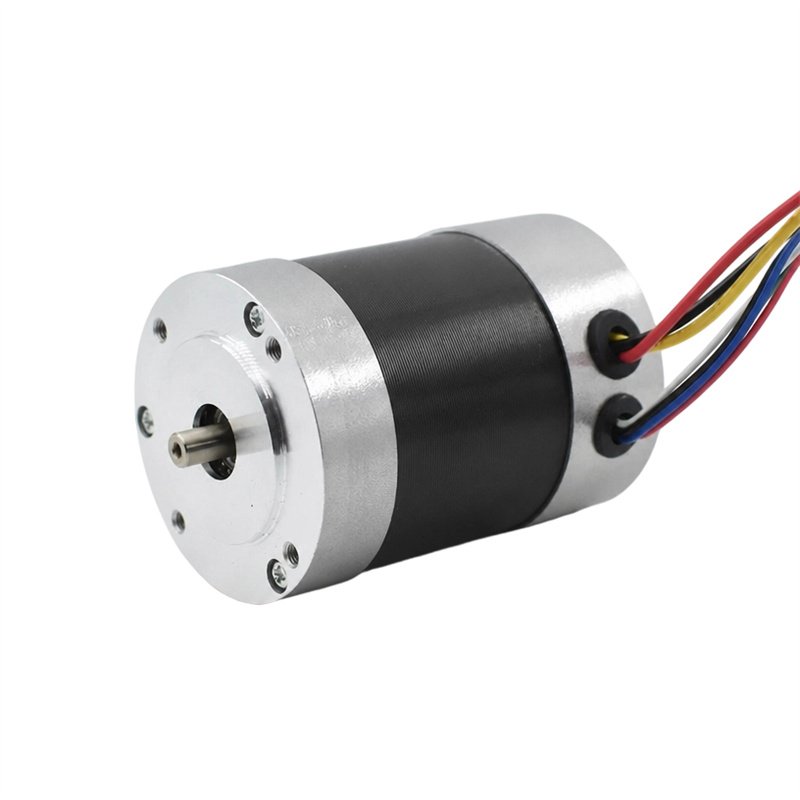
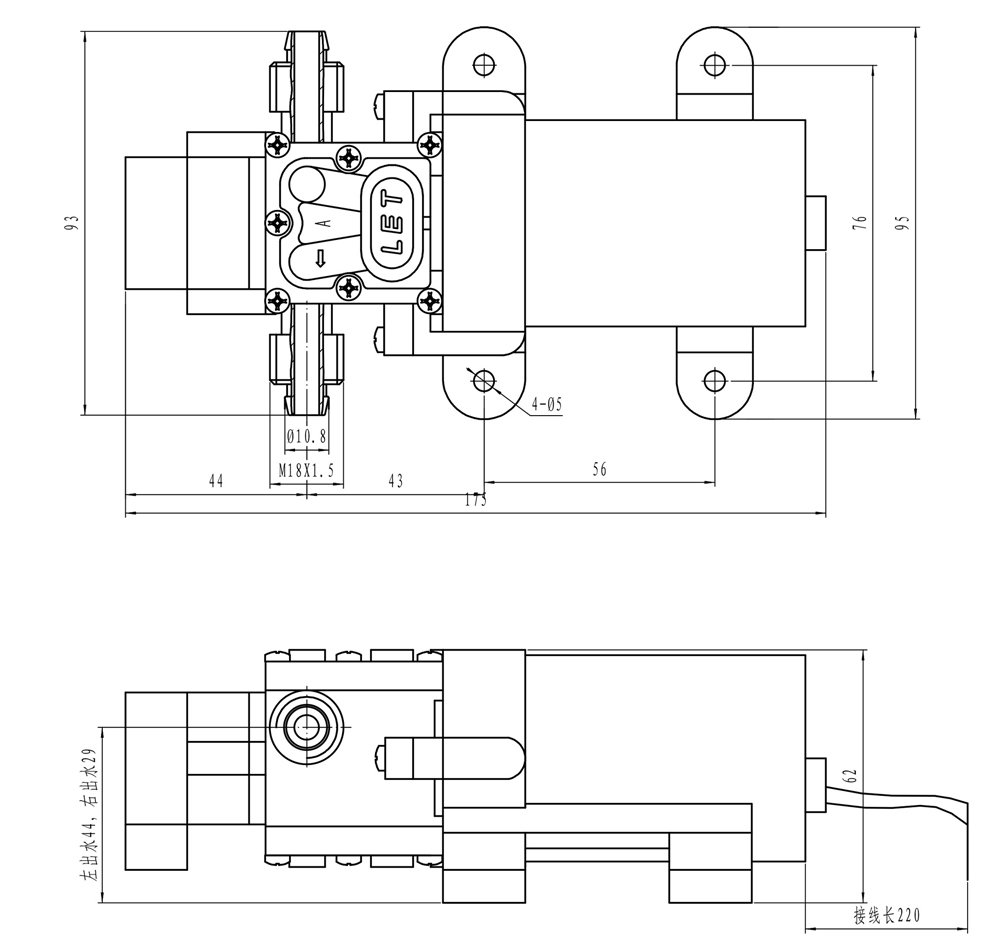
Separate the driven mechanism from the performance of the complete fluid system. Review pump-drive motors, geared valve mechanisms and the GB-2228 diaphragm-pump assembly against the actual operating conditions.
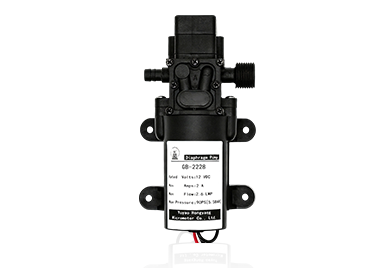
A motor inquiry and a complete-pump inquiry need different information. Motor selection begins with the mechanical load, while pump selection also needs the fluid and matching pressure/flow conditions. Valve actuation introduces travel and stopping requirements. These distinctions help an equipment OEM compare the relevant platforms without treating unrelated figures as one system rating.
Describe the pump mechanism, running load, starts and duty. Confirm the selected motor winding and shaft interface against the actual pump rather than using no-load speed as a system rating.
The related range includes motor references for diaphragm pumps and the complete GB-2228 assembly. Specify the fluid, supply, flow and pressure conditions together with connection and installation requirements.
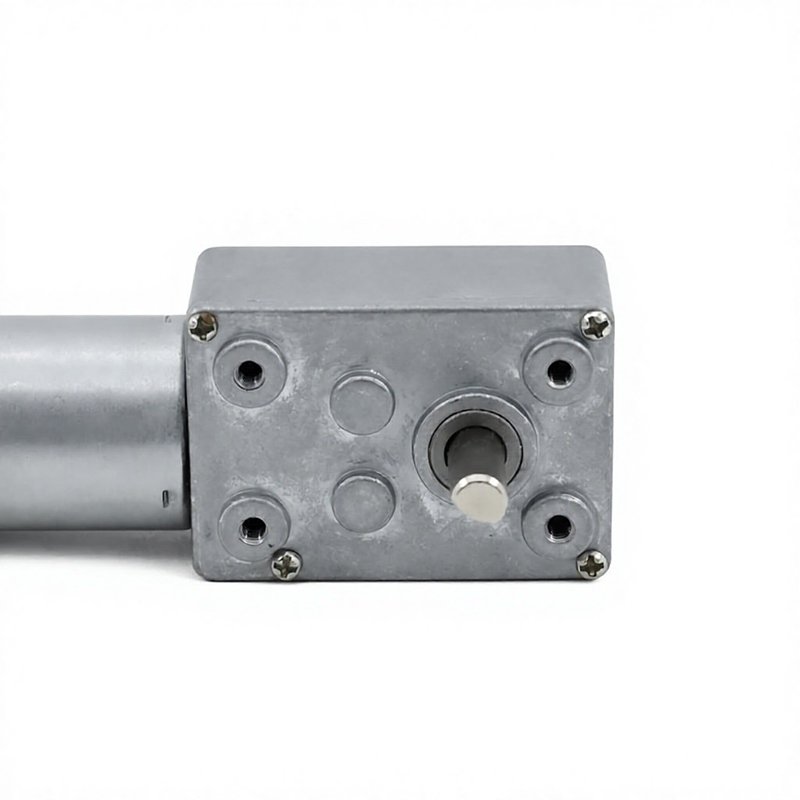
Some geared-motor source pages name valve-control uses. Provide required movement, load, end positions, duty and control method; the gearbox or motor alone does not establish valve performance or sealing capability.
GB-2228 source material names spraying, fluid-transfer and water-supply systems. Review the full operating point, media compatibility and fittings for the selected pump configuration before equipment evaluation.
Identify what you need supplied: a motor, a geared actuator platform or a complete pump. Their relevant specifications differ, and a motor torque or power figure cannot be presented as a complete-system output.
For a pump inquiry, state flow at the required pressure and the intended duty. Maximum-flow and maximum-pressure references are separate conditions unless the matching operating-point data says otherwise.
Describe the fluid, temperature, inlet conditions, fittings and installation orientation. Confirm compatibility for the selected assembly; a generic pump application reference does not establish approval for every medium.
For a motor or valve-drive inquiry, provide mechanical load, travel, starts and control requirements. Evaluate the proposed configuration in the complete equipment and retain its drawing and sample revision for approval.
Compare the complete configuration, dimensions and operating point before selecting a motor for your pump or valve mechanism.
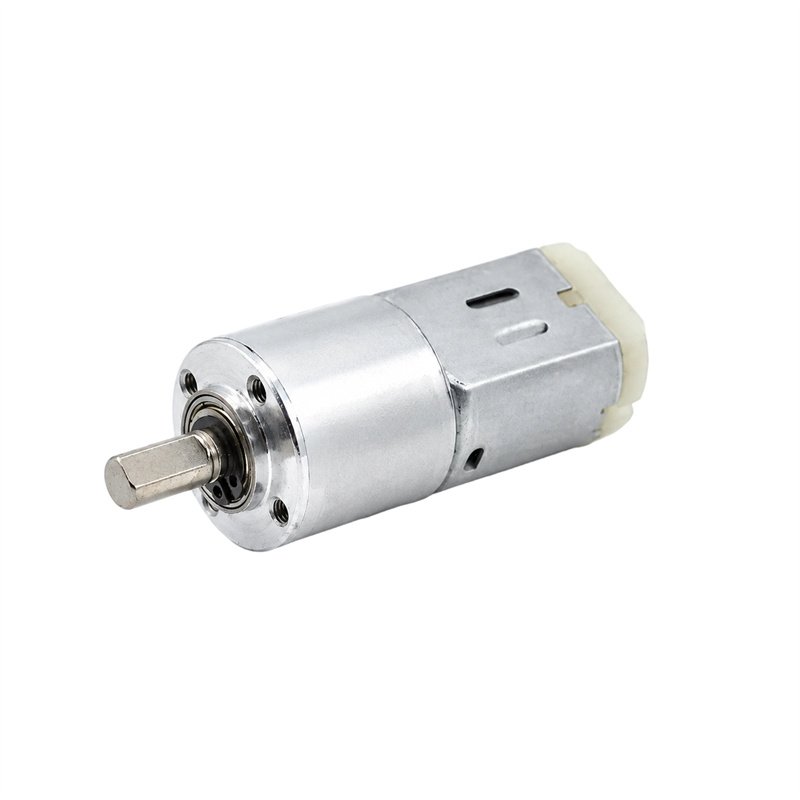

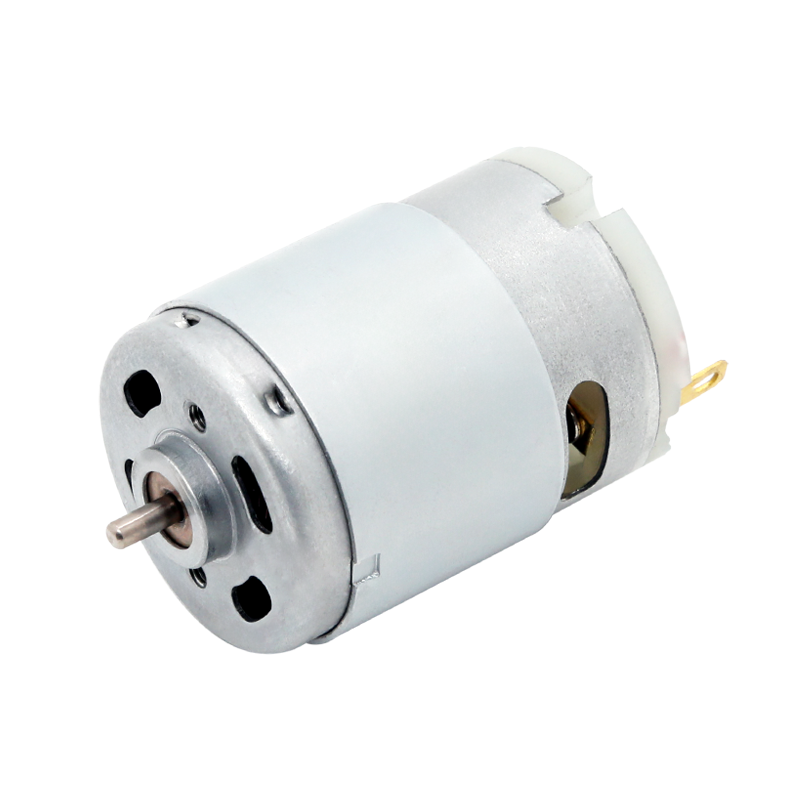

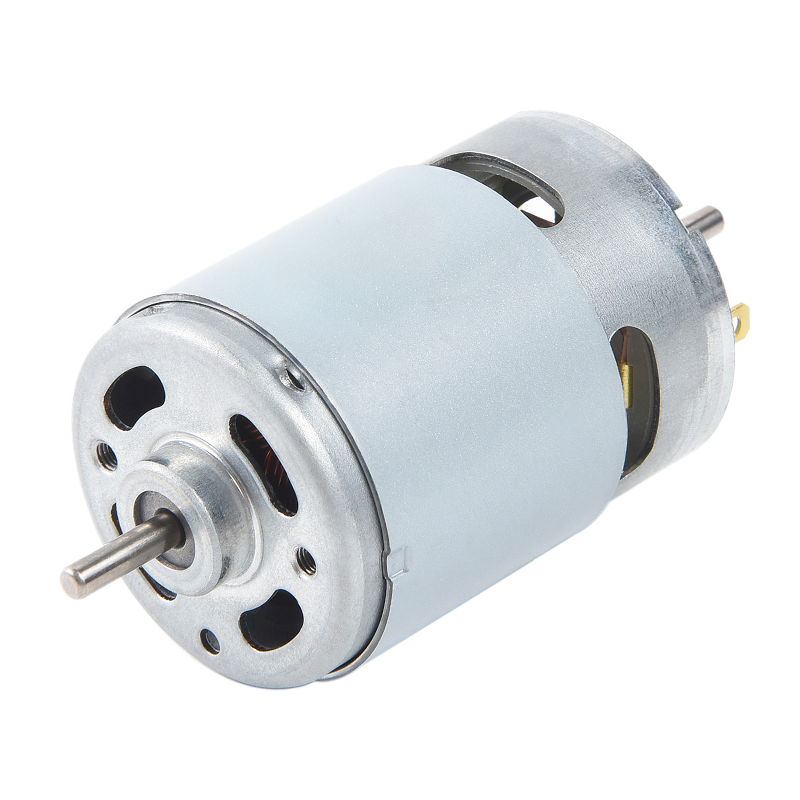

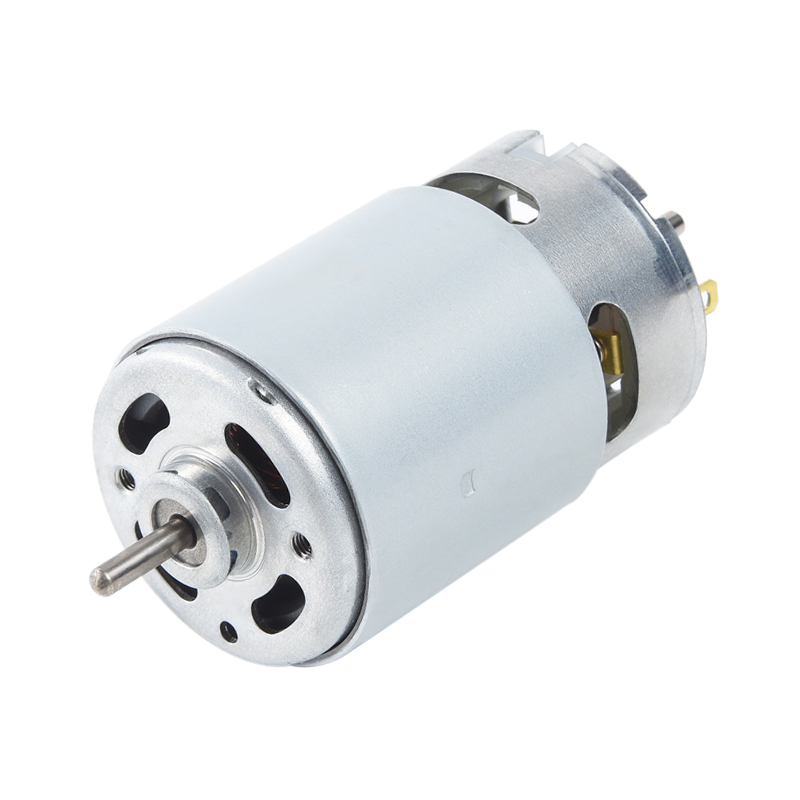
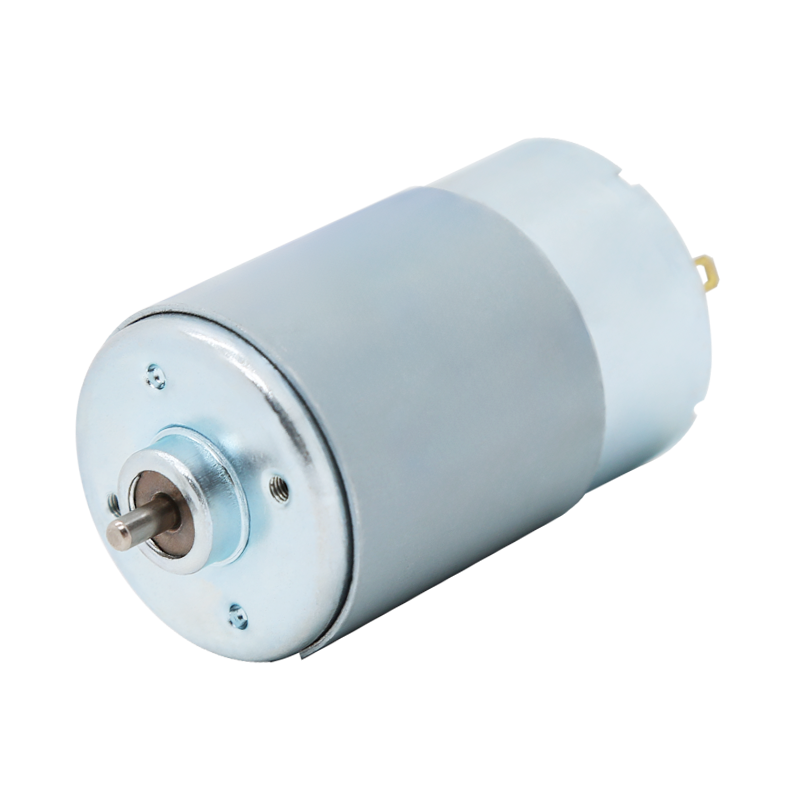

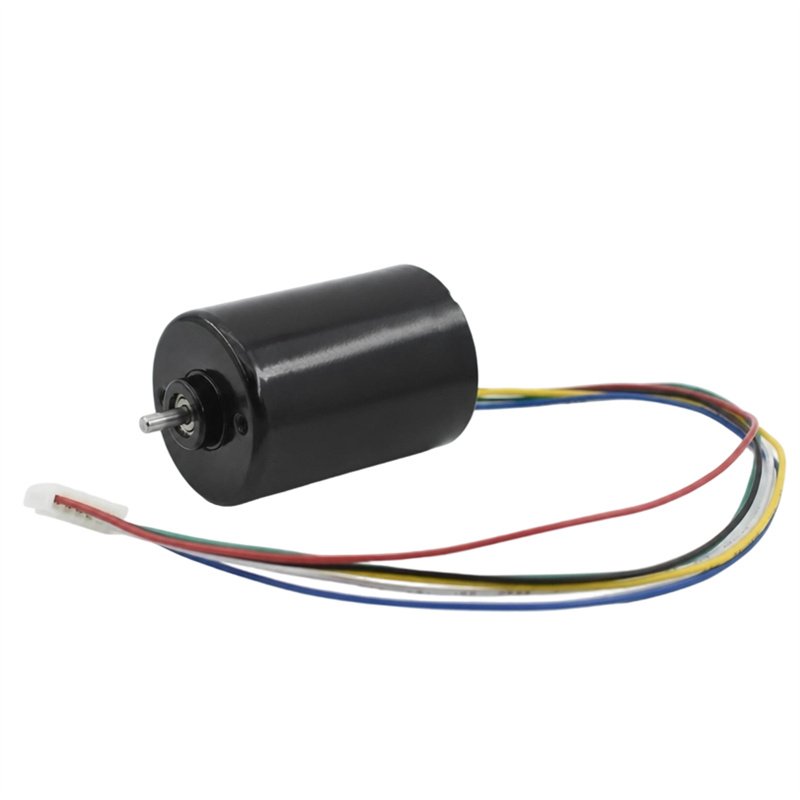

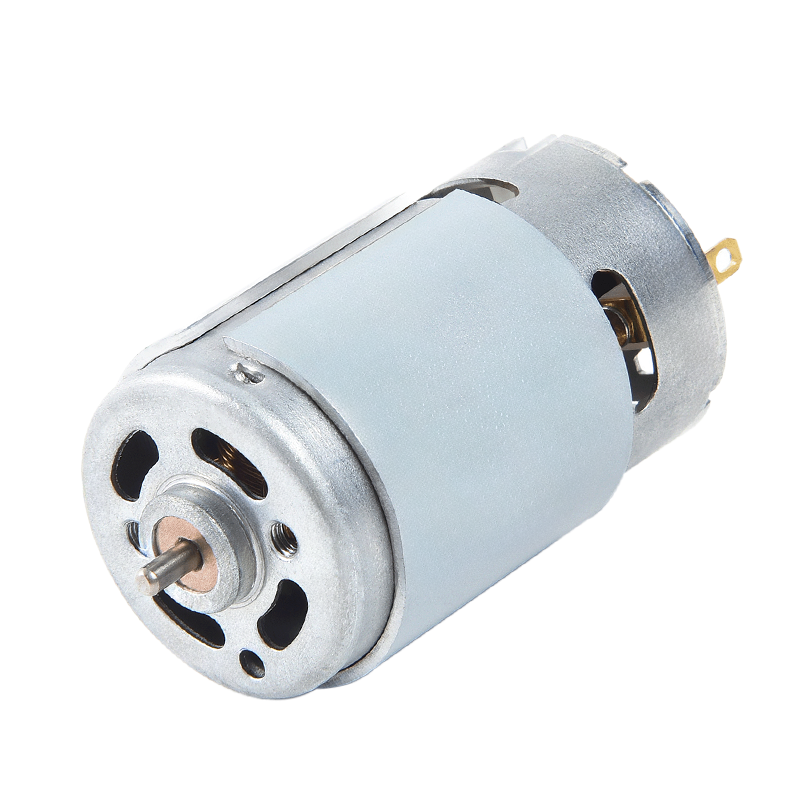
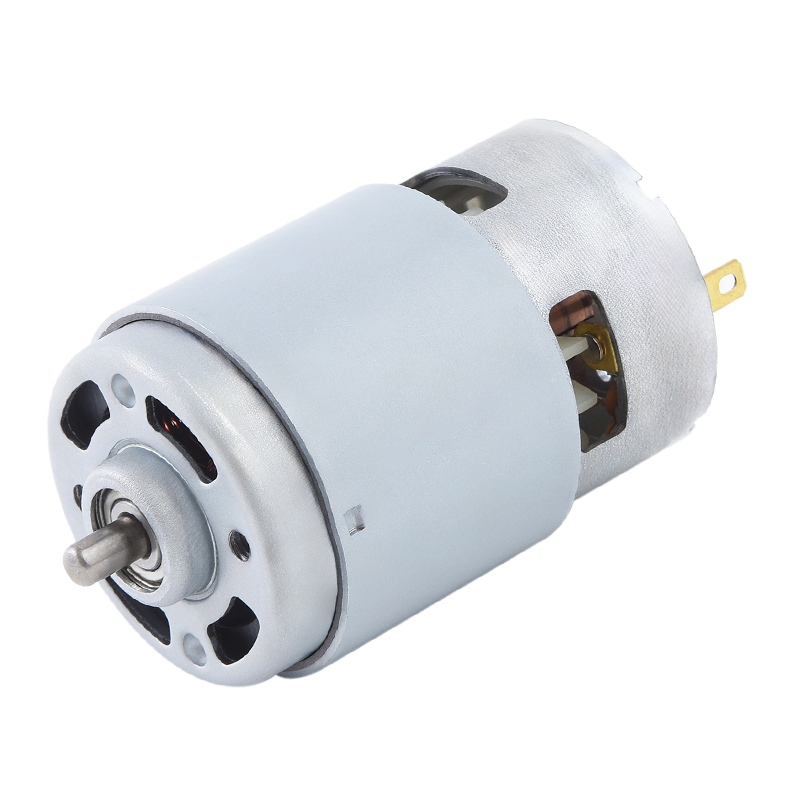
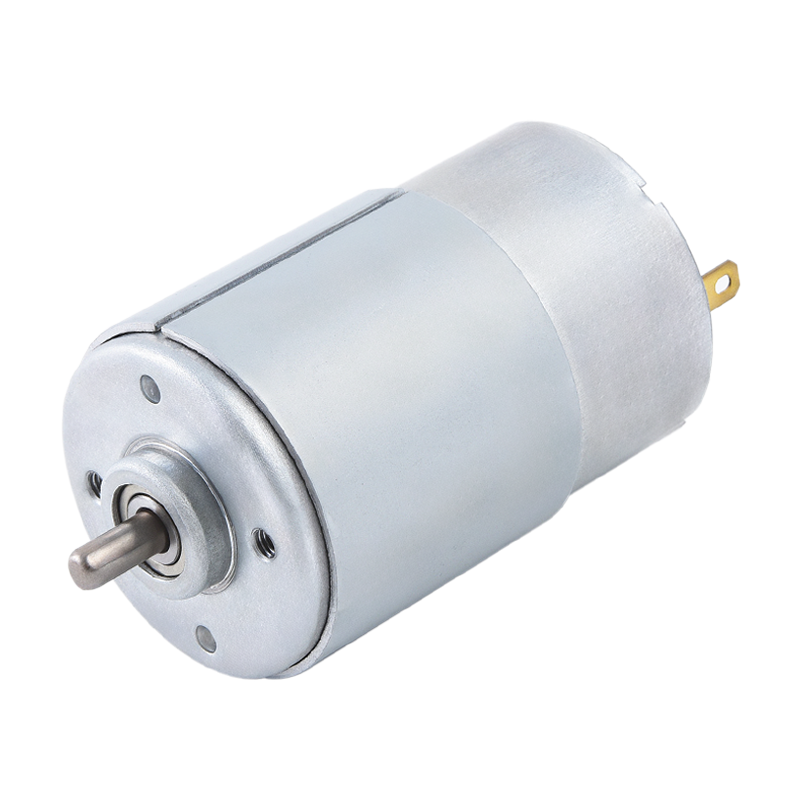

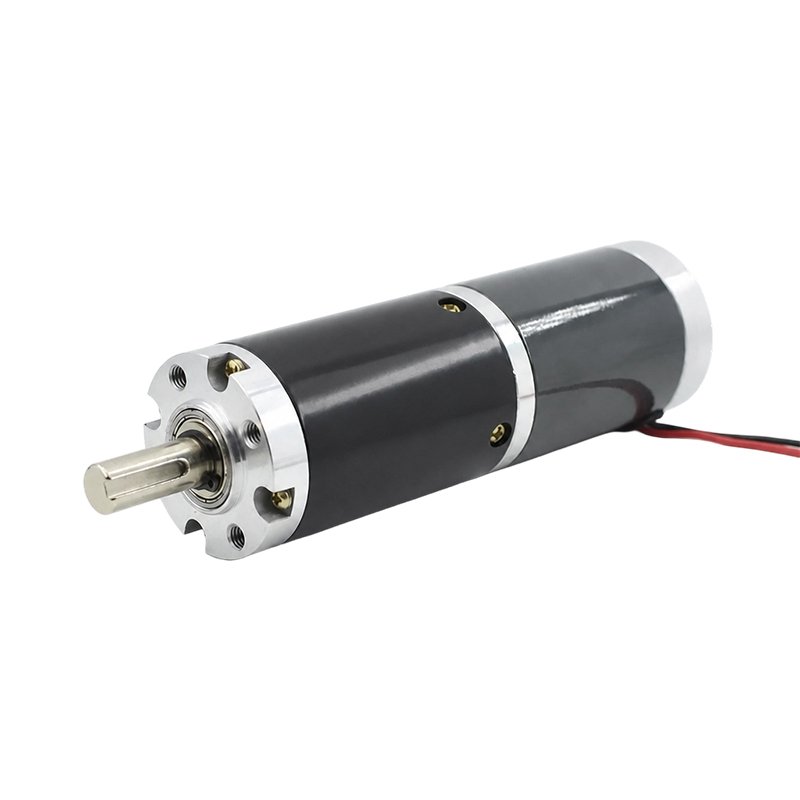
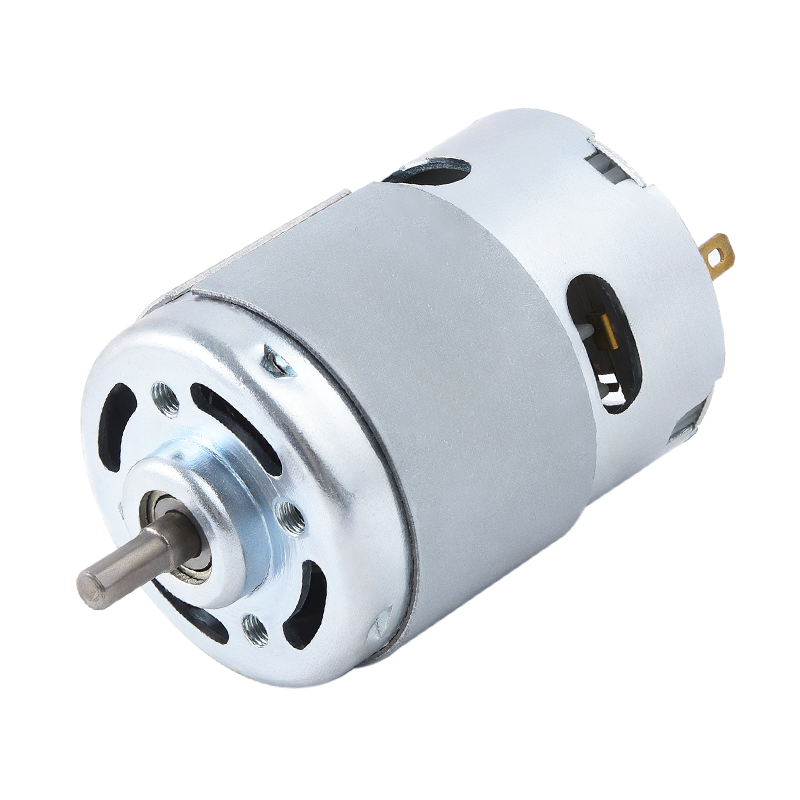

No product series match these filters. Try another model or clear the filters.
The current catalogue contains DC motor platforms with pump applications and a GB-2228 diaphragm-pump assembly. State which supply scope you need so the relevant motor or pump information can be reviewed.
Do not assume they occur together. Provide the required flow at the working pressure and request matching operating-point information for the selected pump and conditions.
Do not infer media compatibility from an application label. Send the fluid, concentration where relevant, temperature, duty and connection requirements so the selected pump materials and operating conditions can be checked.
Send your preferred model or the working point, installation drawing and expected quantity.
A drawing, reference motor or application brief is a useful starting point.
Open the full inquiry page →Tell us about your equipment and the motor you need.