


Cleaning appliances
For vacuum and robotic-cleaning equipment, describe how the motor drives the mechanism and the expected load. Include the enclosure, airflow or transmission details that affect installed operation.
Develop the motor around the appliance mechanism, not just its supply voltage. Review the required motion or air movement alongside installation space, operating cycles and the control system.

Cleaning, beverage and household-motion projects need different selection information. A vacuum mechanism has an air-path load, while a grinder or curtain drive has a mechanical transmission and repeated start/stop behavior.
For vacuum and robotic-cleaning equipment, describe how the motor drives the mechanism and the expected load. Include the enclosure, airflow or transmission details that affect installed operation.
Coffee-machine references include grinding and auxiliary mechanisms. Explain the required movement, loading sequence and connection to the appliance so the motor and any transmission can be reviewed together.
Juicing and fan applications need different operating points. Send the intended mechanical or airflow load with speed, duty and housing constraints rather than selecting by a shared motor outline.
For curtain and similar household-motion projects, include travel, start/stop behavior and the transmission layout. Describe reversal, stopping and any feedback requirement at the equipment level.
Describe what the motor drives and how the load changes. Airflow, grinding and linear motion cannot be compared using motor speed alone; the mechanism is part of the selection brief.
Provide starts, reversals, run time and rest periods. The relevant current and temperature evaluation should follow the appliance’s actual operating sequence, not an assumed continuous or intermittent rating.
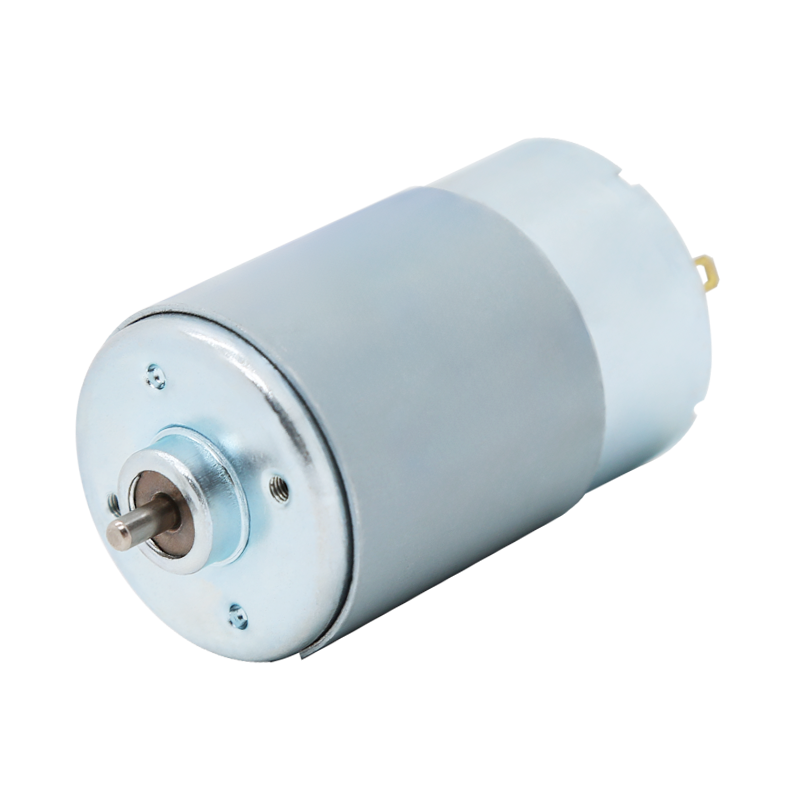
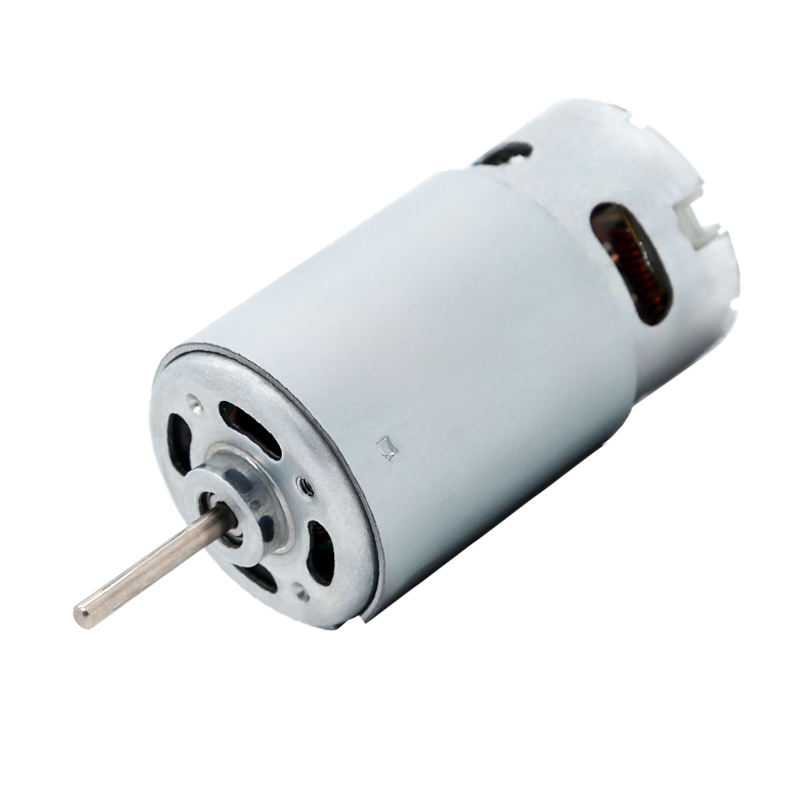
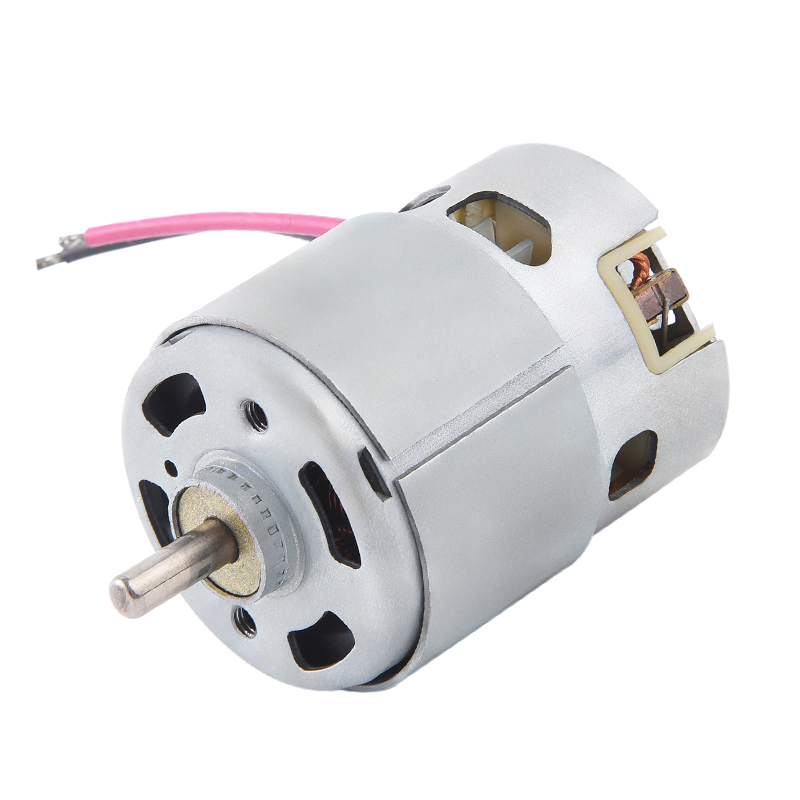
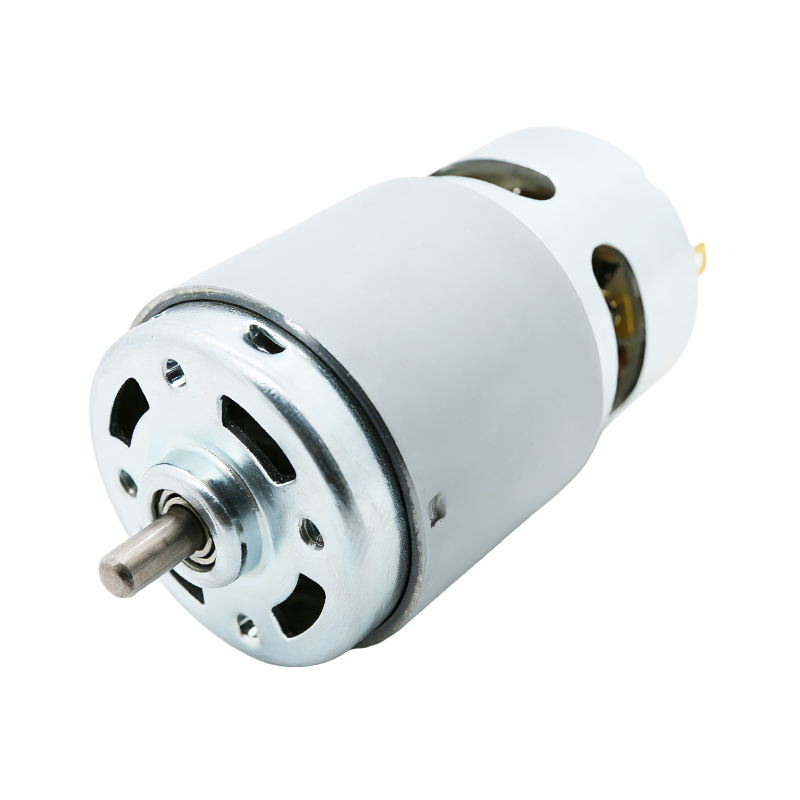
Check the complete envelope, shaft, fixing points, lead exit and connector against the appliance drawing. Include any part that changes the space needed around the motor or assembly.
If noise or vibration matters to the appliance, state the target and measurement conditions. Evaluate the proposed motor inside the final mechanism before agreeing a sample or production baseline.
Compare the complete configuration, dimensions and operating point before selecting a motor for your appliance.
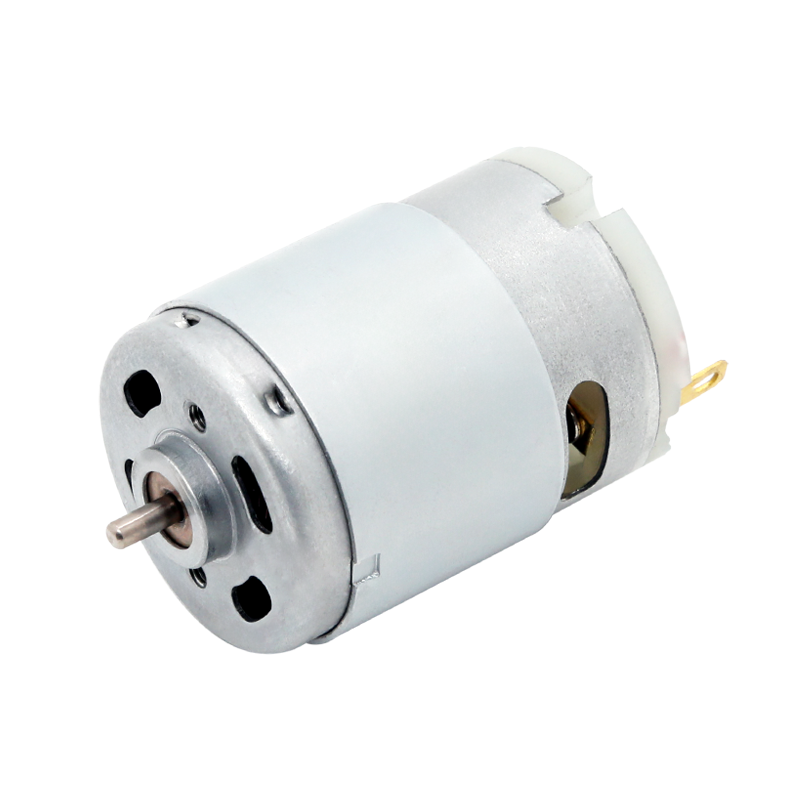
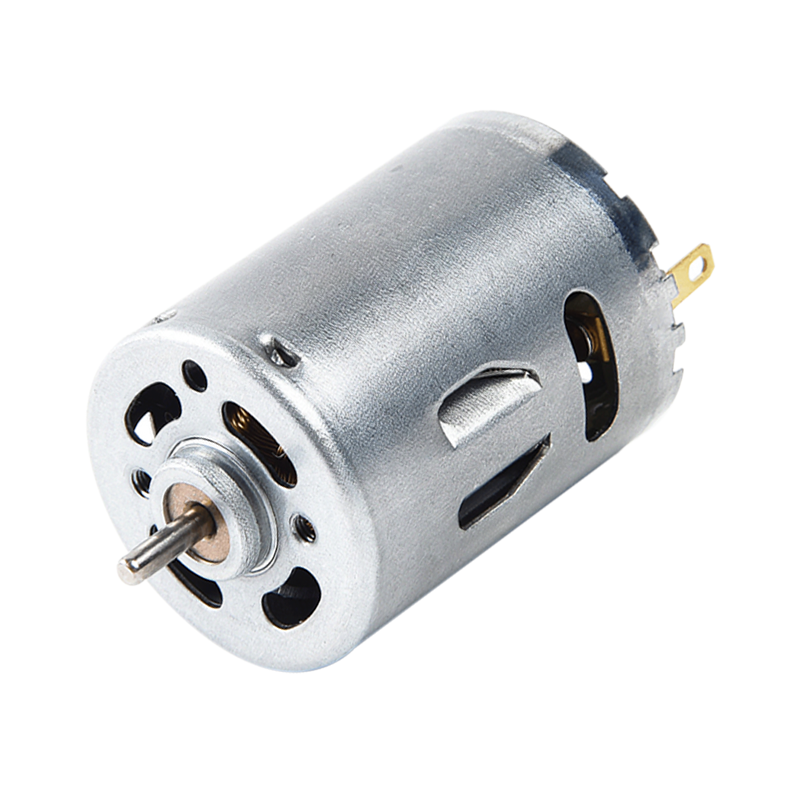

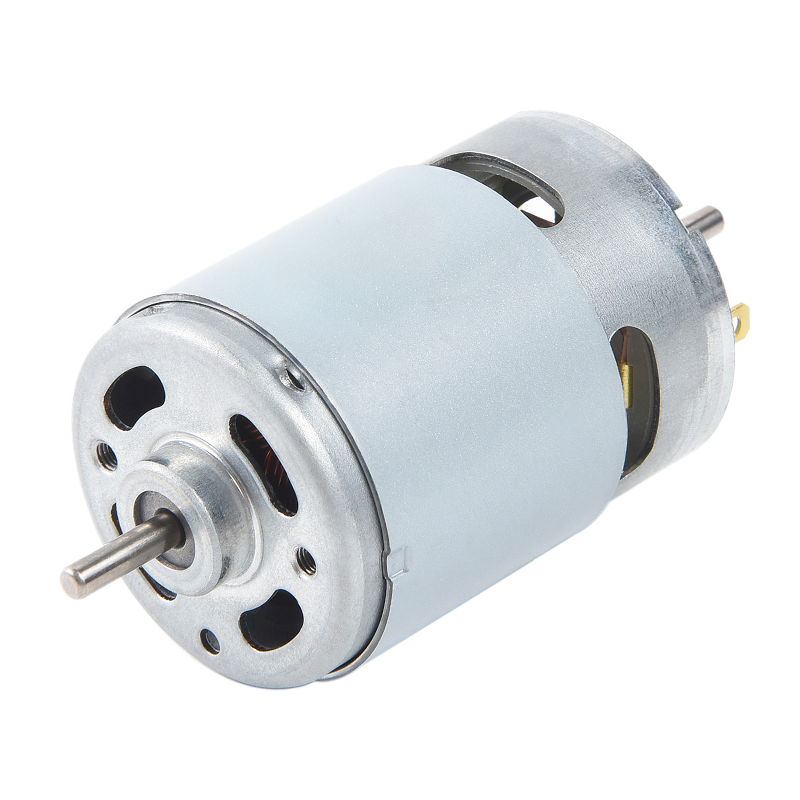

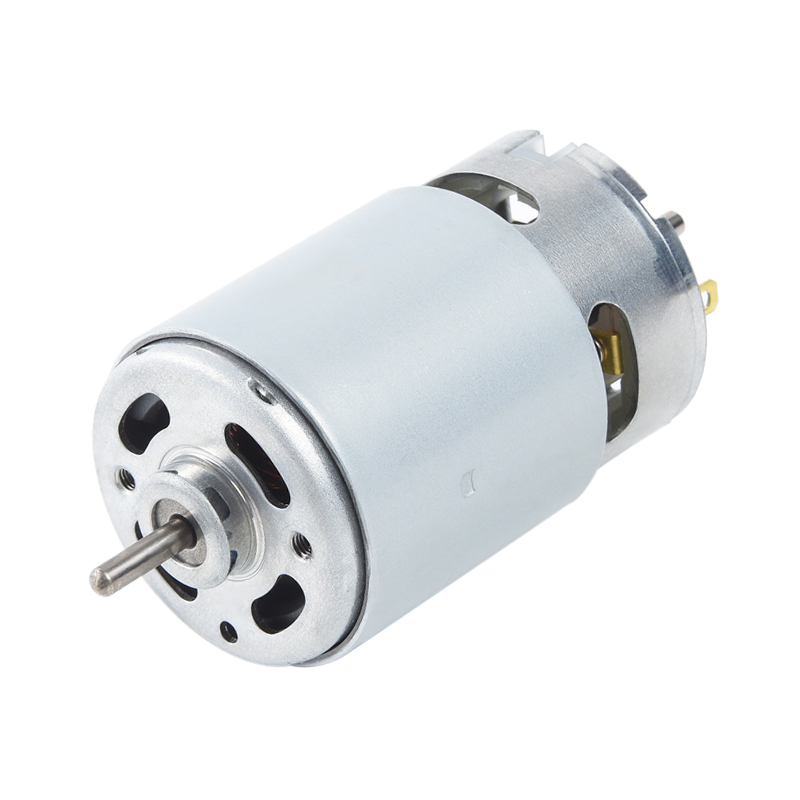
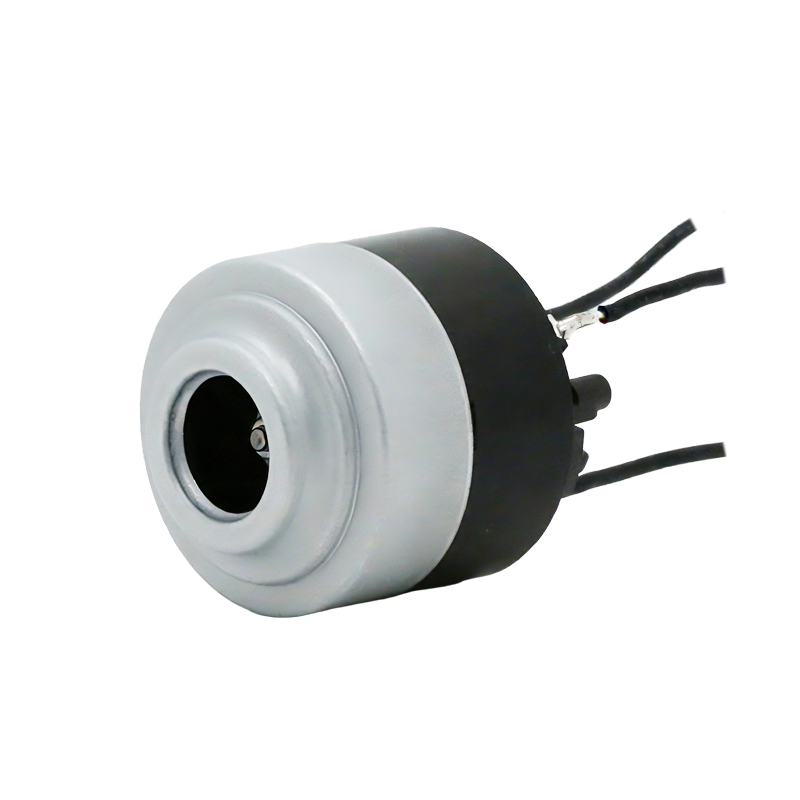
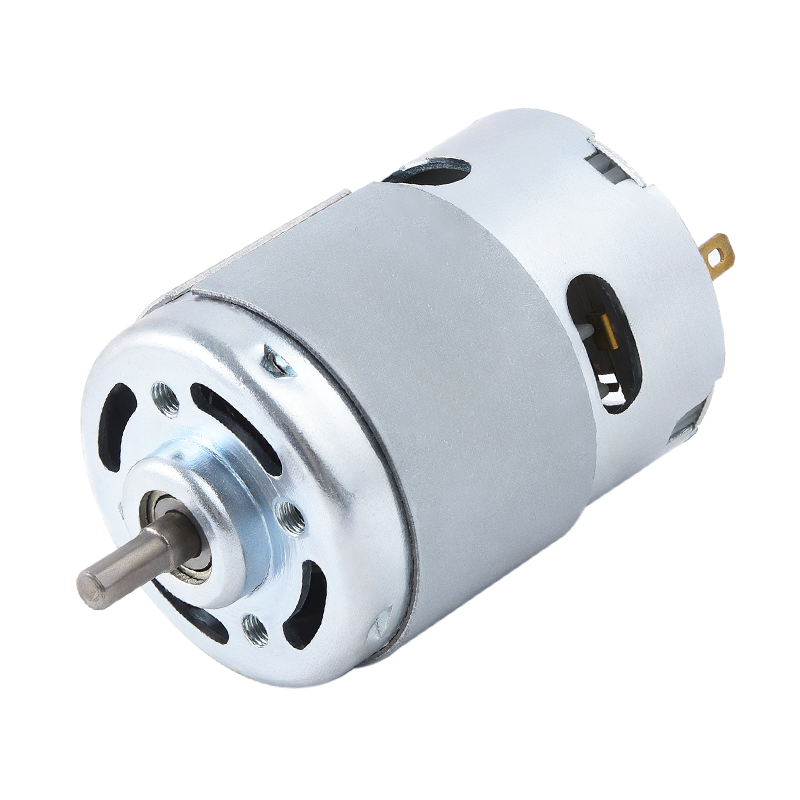
No product series match these filters. Try another model or clear the filters.
Different appliances may start from the same series, but their loading, winding and mechanical interfaces can differ. Compare the full configuration and evaluate it in the intended mechanism before approval.
Include the target, operating load, installation and measurement method in the inquiry. A motor-only description does not establish the sound level of the complete appliance.
Send the mechanism concept or reference motor with available space, supply, required loaded speed and torque, operating cycle and expected quantity. The initial review can identify the missing integration details.
Send your preferred model or the working point, installation drawing and expected quantity.
A drawing, reference motor or application brief is a useful starting point.
Open the full inquiry page →Tell us about your equipment and the motor you need.