


Tire inflation and air pumps
Describe the pump mechanism, supply, running sequence and required pressure or flow conditions. Evaluate the motor together with the pump load rather than treating a motor-only power figure as pump performance.
Review the motor around the auxiliary function and its installed conditions. The original product material names car air pumps, fans, antennas, seat mechanisms and other automotive accessories.
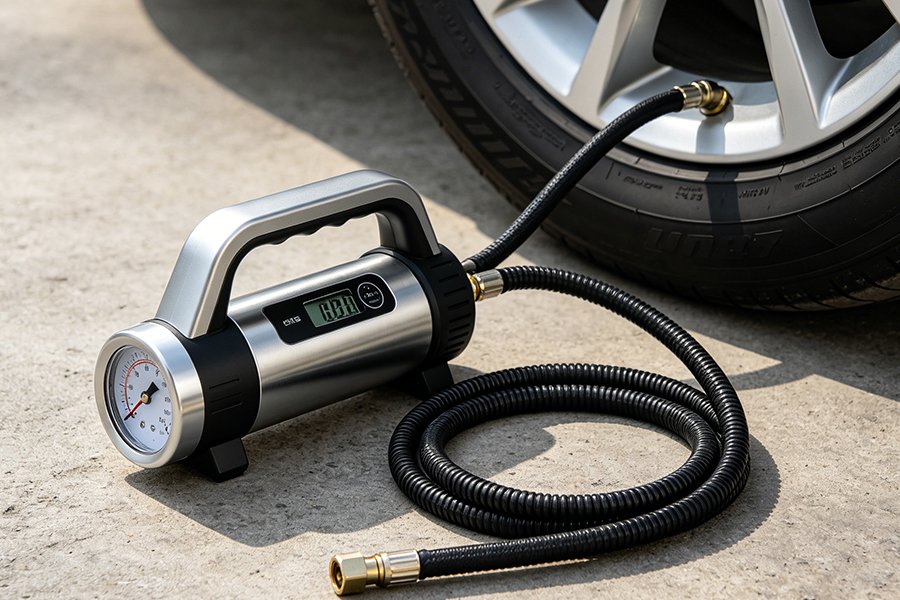
Vehicle auxiliary equipment has its own electrical, mechanical and environmental requirements. Share the actual subsystem, supply conditions, duty and acceptance requirements so the motor configuration, installation and test plan can be reviewed together.
Describe the pump mechanism, supply, running sequence and required pressure or flow conditions. Evaluate the motor together with the pump load rather than treating a motor-only power figure as pump performance.
Car-fan and car-vacuum references need the actual air-path and installation details. Include the controller, expected running conditions and available cooling space in the motor inquiry.
State travel, transmission, starting load, reversal and stopping requirements for the mechanism. Confirm the shaft, mounting and any feedback needs using the selected drawing and configuration.
The GB-2228 source also names recreational-vehicle use. Treat this as a pump application reference, then confirm the fluid, connection, operating point and equipment-specific requirements for the proposed system.
Supply the intended voltage conditions, available current and controller behavior. Confirm the proposed motor configuration against the equipment requirements rather than assuming suitability from a nominal voltage label.
State the location, enclosure, temperature, vibration and exposure conditions that matter to the equipment. The review must address the actual build; do not infer an ingress or environmental rating from an application name.
Describe the connected pump, fan or motion mechanism with running and starting conditions. Include travel, stops and reversals where relevant so the motor and transmission can be considered together.
List required tests, acceptance criteria and documents for the selected project. Legacy application mentions do not establish automotive qualification; confirm available evidence and evaluate the agreed sample in the subsystem.
Compare the complete configuration, dimensions and operating point before selecting a motor for your auxiliary equipment.
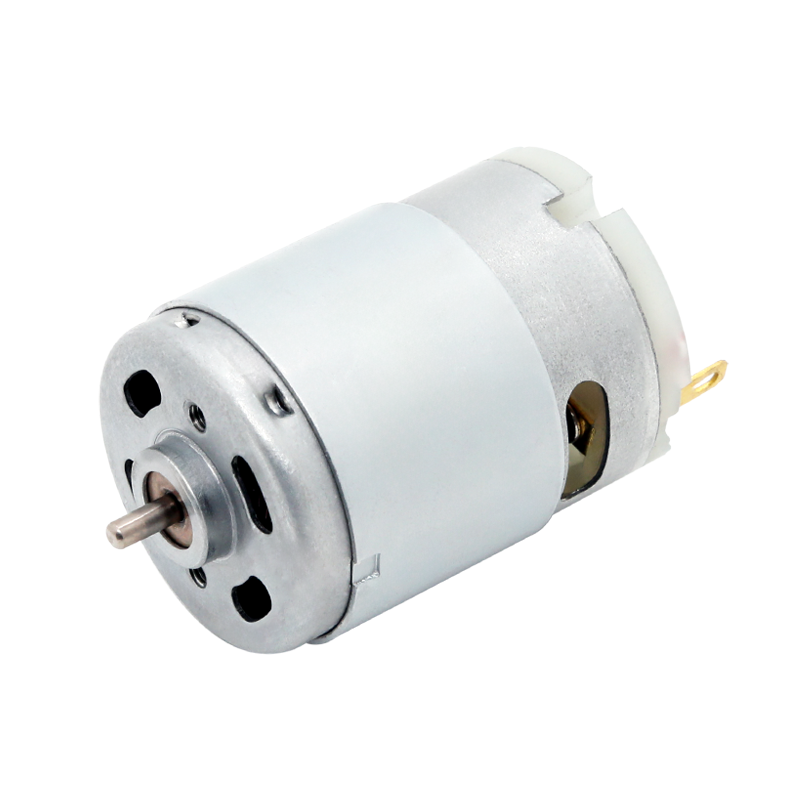
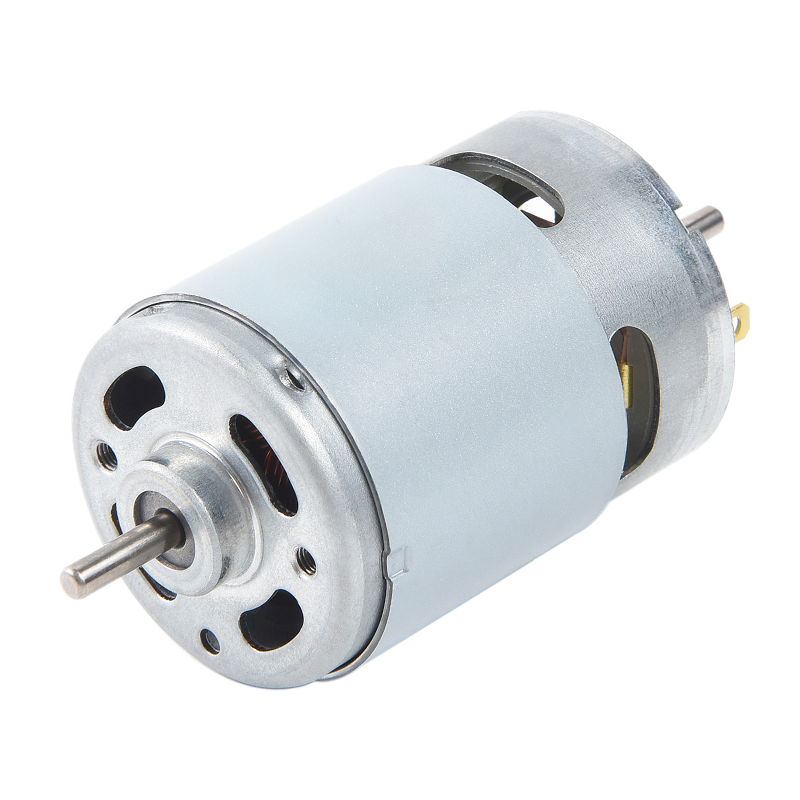

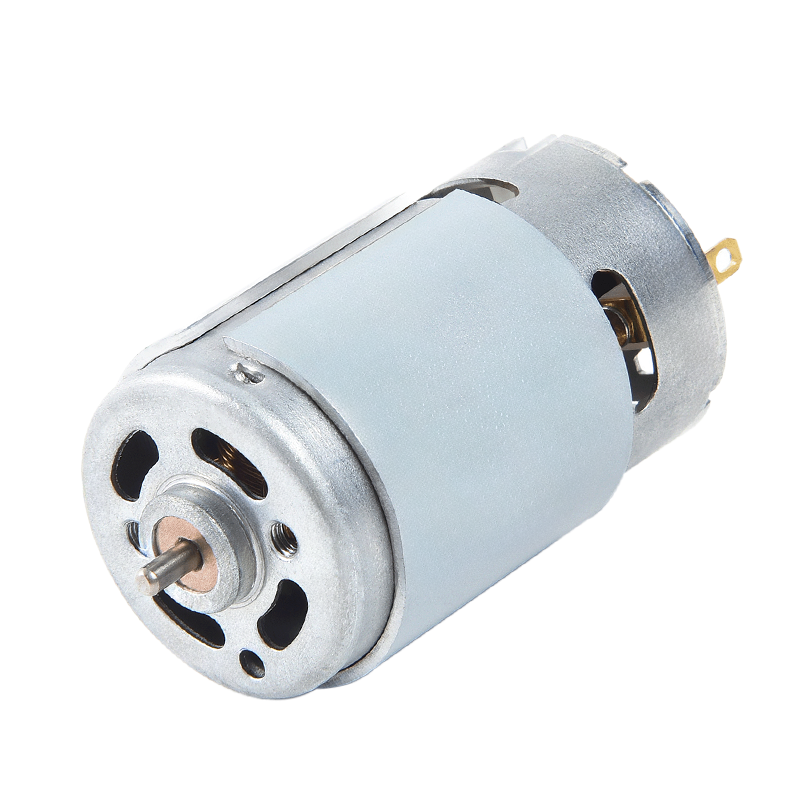
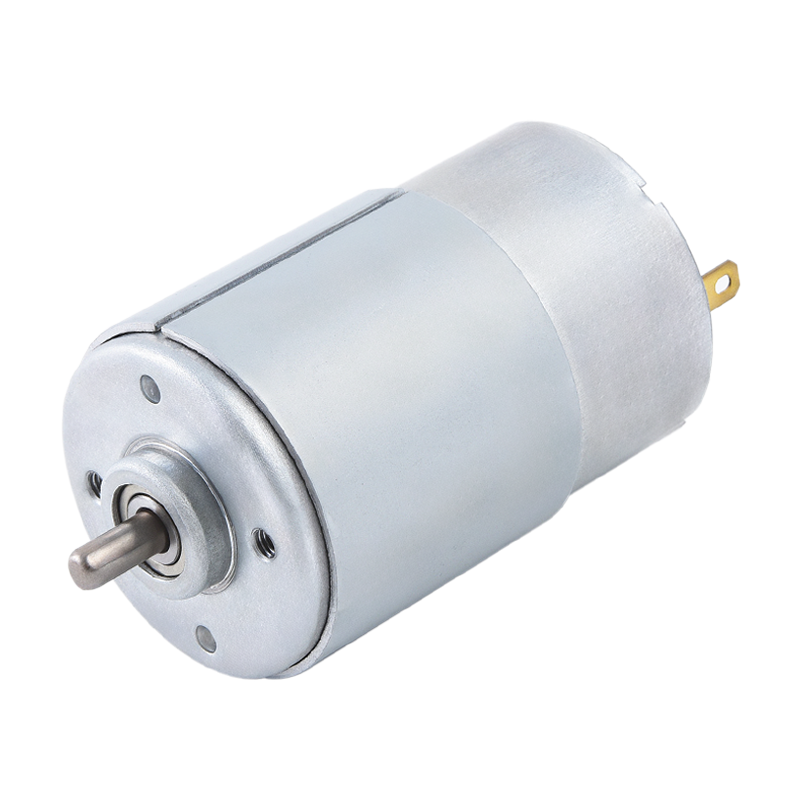
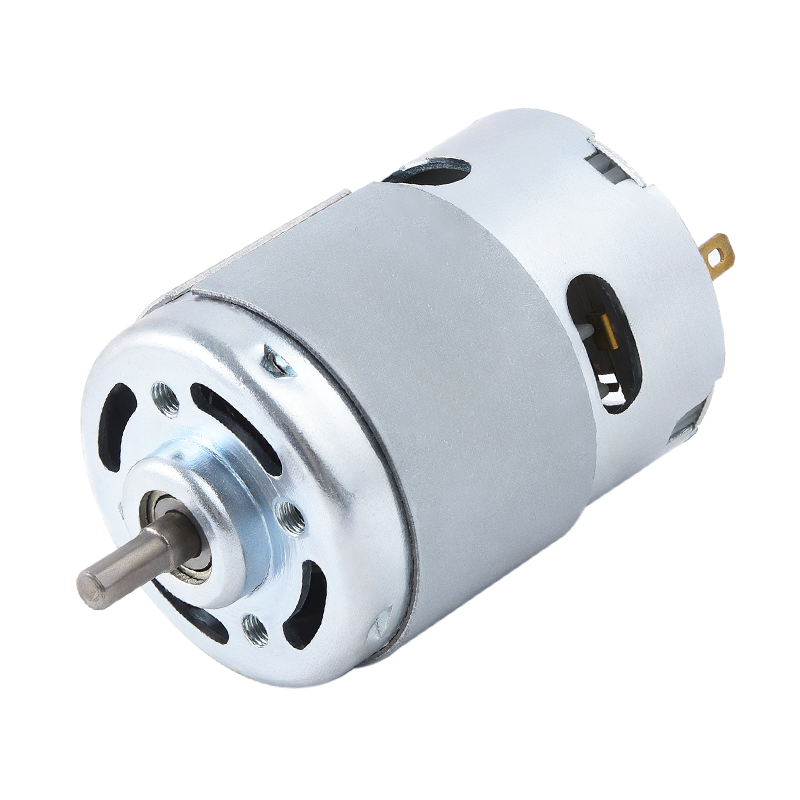
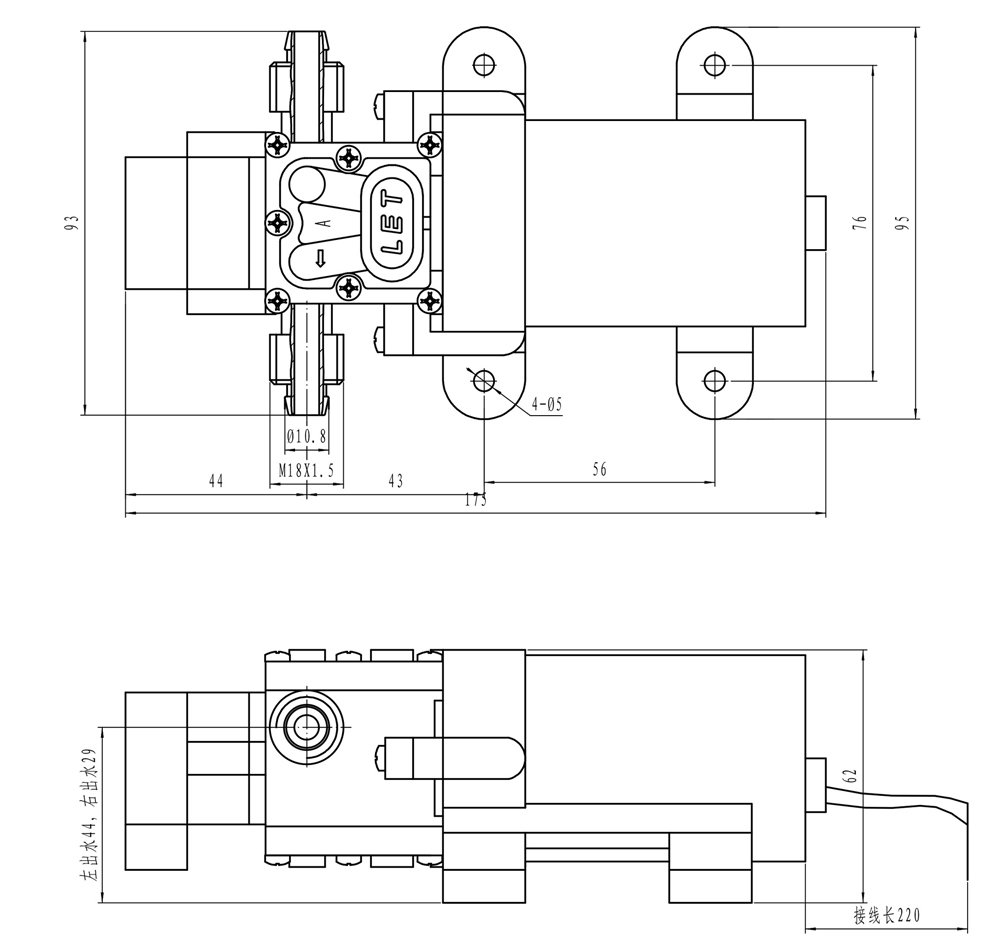
No product series match these filters. Try another model or clear the filters.
No. They are uses named in the legacy product material. Specify the subsystem and required qualification or documentation, and confirm the evidence available for the selected configuration.
No. Pressure, flow and motor load depend on the complete pump and its operating conditions. Provide the pump requirements and evaluate the proposed motor in that assembly.
Provide the function, electrical conditions, loaded working point, duty, environment, mechanical interface and expected quantity. Include the required tests and acceptance documents rather than assuming a general vehicle-use approval.
Send your preferred model or the working point, installation drawing and expected quantity.
A drawing, reference motor or application brief is a useful starting point.
Open the full inquiry page →Tell us about your equipment and the motor you need.