


Massage mechanisms
Define whether the motor drives a rotary, eccentric or geared mechanism. Include the changing load and operating cycle so shaft support, working point and installation can be reviewed as a system.
Review the motor, mechanism and user-facing operating requirements together. Related sources include massage equipment, hair dryers, electric toothbrushes and sports or fitness mechanisms.
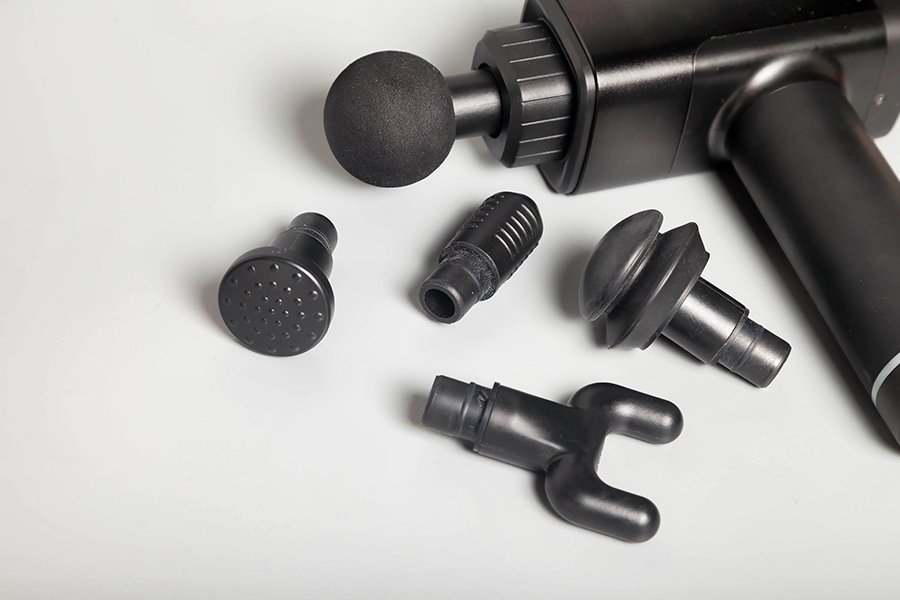
A massage drive and a hair-dryer fan do not have the same loading or mechanical interface. The manufacturer needs to describe the motion, any eccentric or transmission load and the way the motor is installed. Use the related motor platforms to narrow the engineering discussion, then define the winding, mechanical fit and equipment test conditions for the proposed build.
Define whether the motor drives a rotary, eccentric or geared mechanism. Include the changing load and operating cycle so shaft support, working point and installation can be reviewed as a system.
Hair-dryer references start from a fan and air-path requirement. Describe the enclosure and operating conditions, together with the electrical supply and mechanical connection to the driven assembly.
The source material names electric-toothbrush applications. Provide the actual drive mechanism, required motion, available space and connection details so the appropriate configuration can be discussed without assuming a universal fit.
Sports-equipment references are considered separately from personal-care devices. Describe the mechanism, repeated loading, supply and expected operating cycle; do not infer an equipment capability from the motor series name.
Specify what the motor shaft must drive and how that load varies. Include the transmission or eccentric mechanism when requesting a motor review, rather than providing only a product category.
State any noise or vibration target with its measurement method and installed operating conditions. The effect felt or heard in the finished equipment depends on the mechanism and mounting as well as the motor.
Provide the complete housing envelope, shaft interface, mounting and cable routing. Confirm tolerances and clearances against the proposed drawing before freezing the mechanical design.
Record the supply, load, operating cycle and test environment for sample evaluation. Keep the chosen winding, mechanical drawing and sample revision together when moving toward an order.
Compare the complete configuration, dimensions and operating point before selecting a motor for your personal-care equipment.

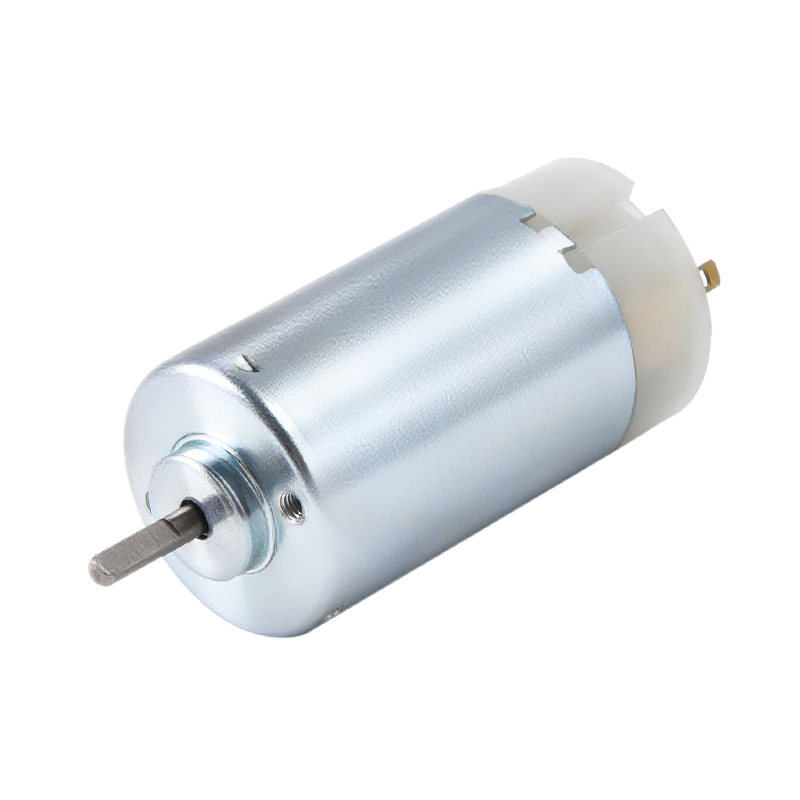
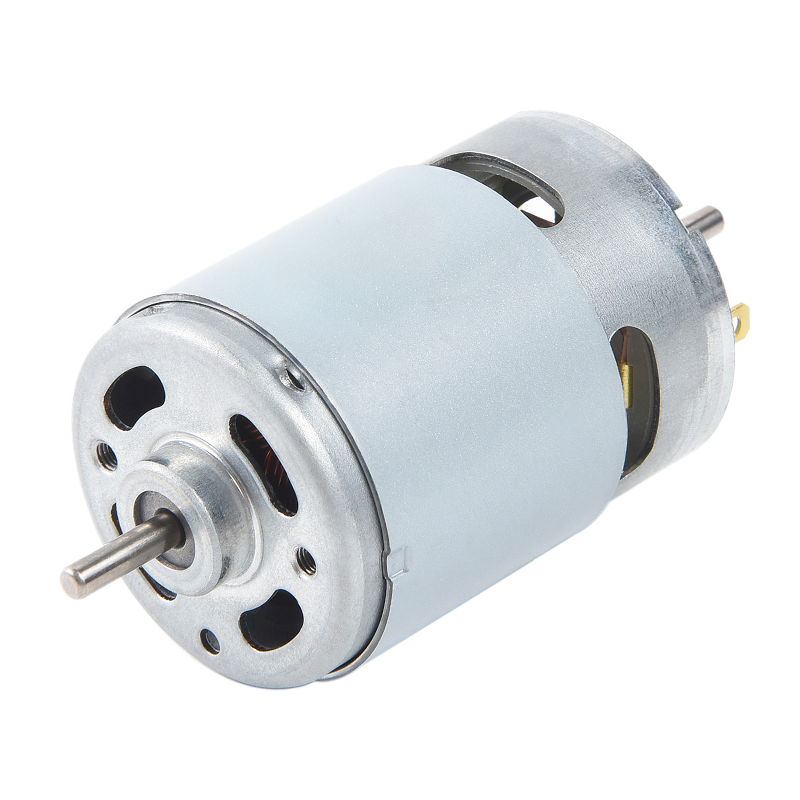
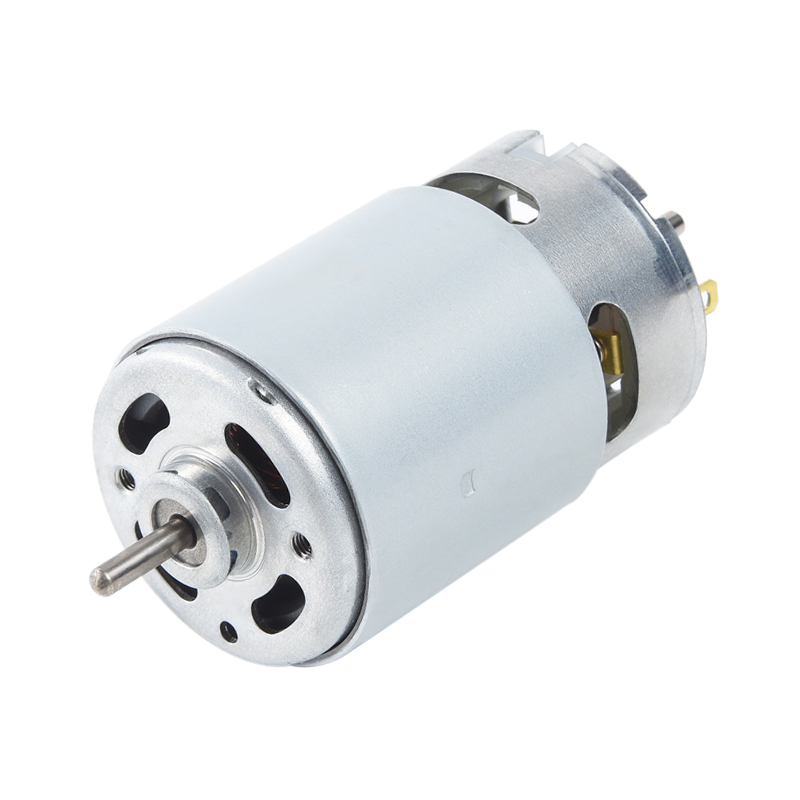

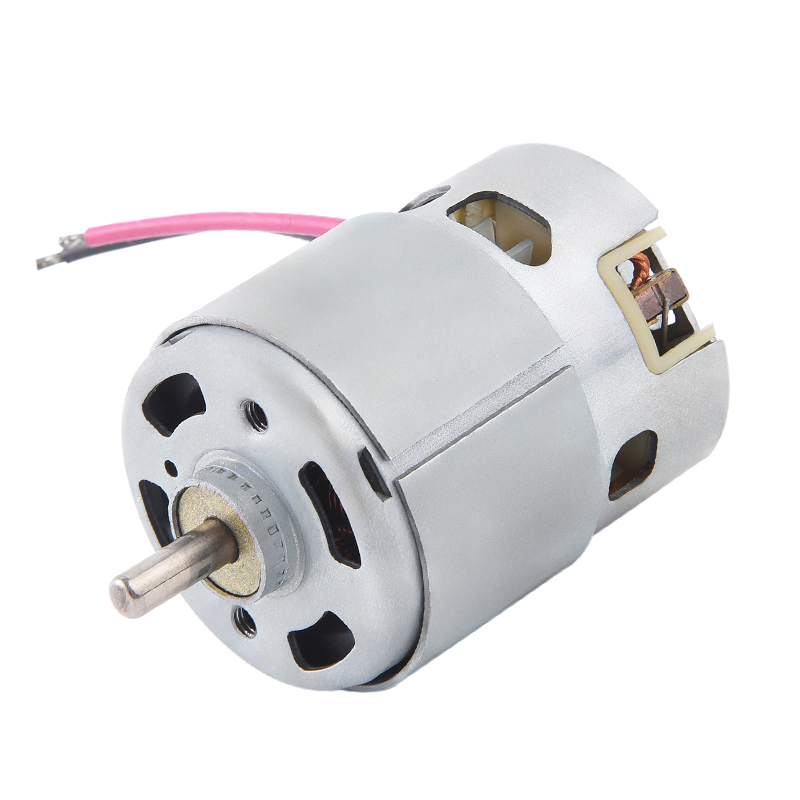
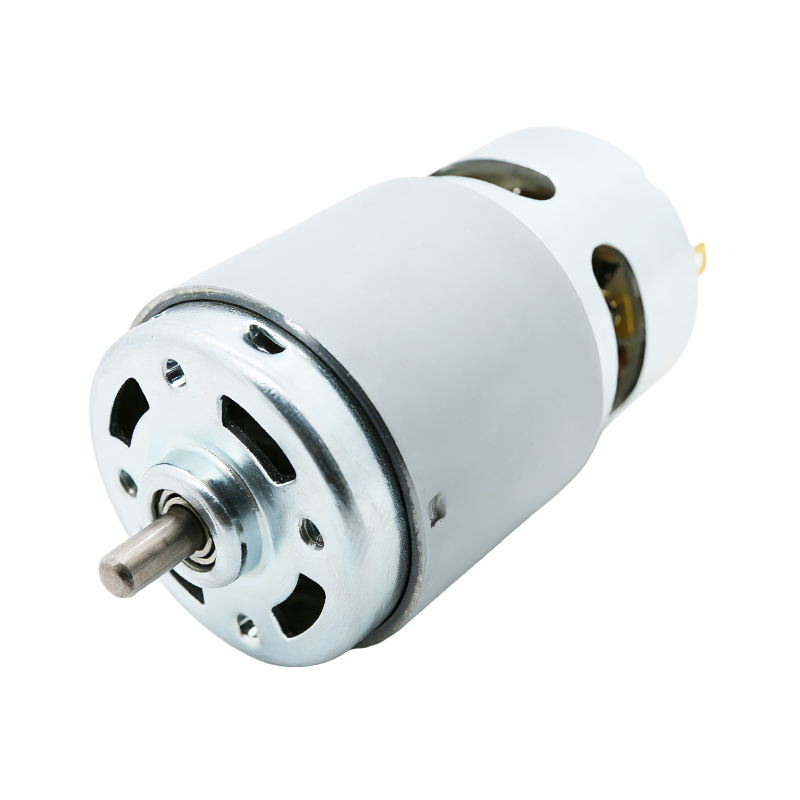
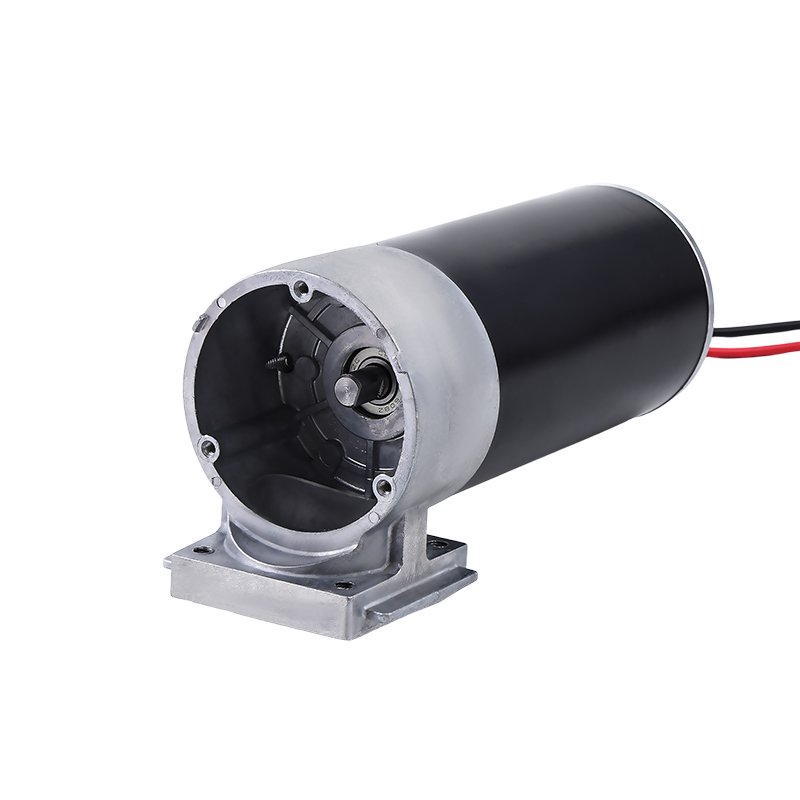
No product series match these filters. Try another model or clear the filters.
The mechanism and loading differ, so each needs a separate working-point and installation review. Send the required movement, load and duty rather than choosing from the motor outline alone.
Send the drawing and performance requirement for the selected platform to be reviewed. Availability of a particular change depends on the motor structure and configuration; it is not assumed for every series.
Describe the equipment mechanism, supply, loaded speed and torque, operating cycle, available space, noise or vibration targets and expected quantity. Include a reference motor or drawing when available.
Send your preferred model or the working point, installation drawing and expected quantity.
A drawing, reference motor or application brief is a useful starting point.
Open the full inquiry page →Tell us about your equipment and the motor you need.