


Winding and performance
Define the supply, loaded speed, torque, current constraints and operating cycle. The winding is reviewed around the required working point.
Hongyang is a DC motor manufacturer for OEM and ODM equipment projects. Define the working point, shaft and mounting interface, and production needs so the custom configuration can be reviewed against a suitable motor series.
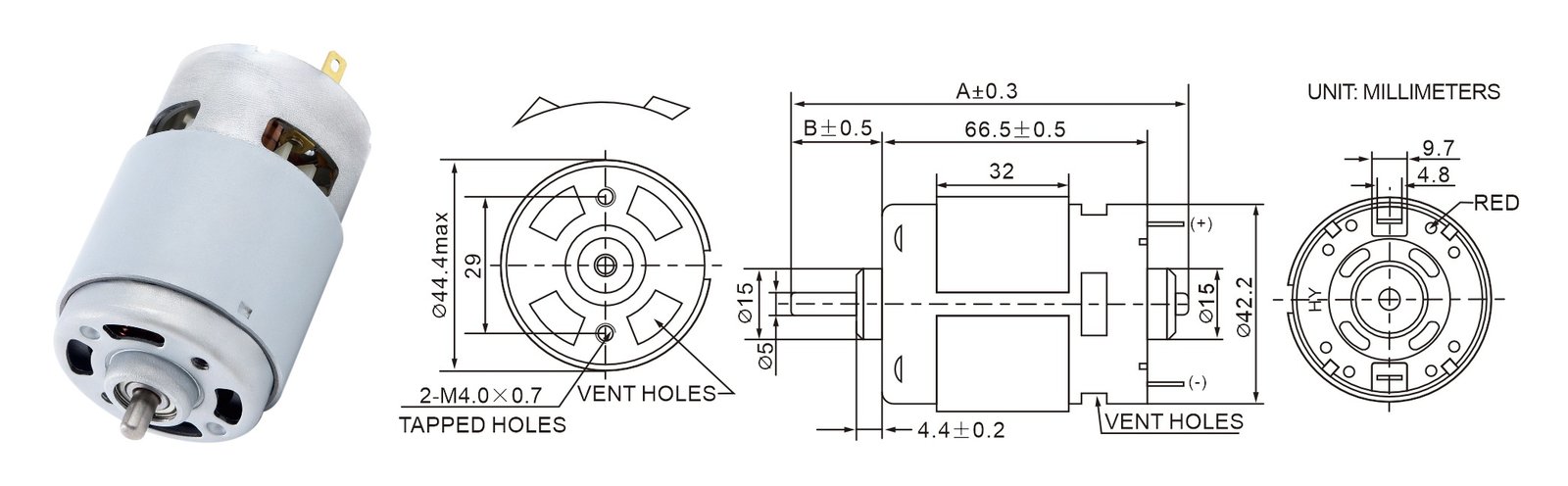
A custom motor project may involve a changed shaft, a winding tailored to the system voltage, a different gearbox ratio or a specific connection to the equipment controller.
Hongyang can review a drawing, sample or performance brief against the brushed, brushless and geared motor range. The goal is to connect the electrical target with the mechanical and control interfaces of the assembly.
Define the supply, loaded speed, torque, current constraints and operating cycle. The winding is reviewed around the required working point.
Specify shaft length, diameter, profile and tolerances, together with mounting holes, fixing method and available envelope.
Choose output orientation and reduction ratio from the mechanism’s speed, torque, duty and installation requirements.
Describe wire length, connector, rotation control and feedback. Brushless projects include the driver and commutation interface review.
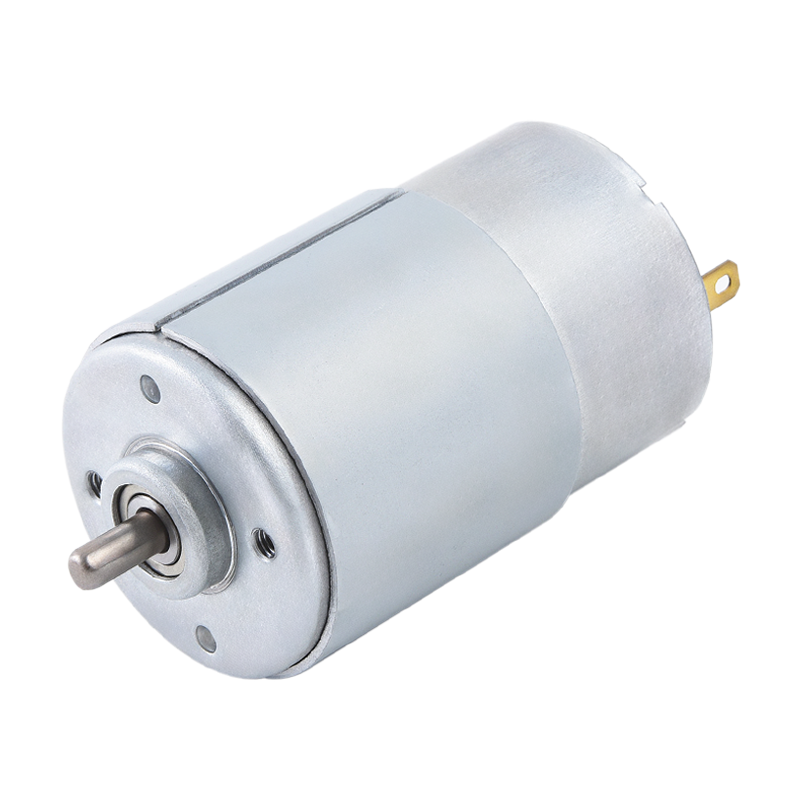
Direct-drive brushed motor platforms with winding and shaft options.
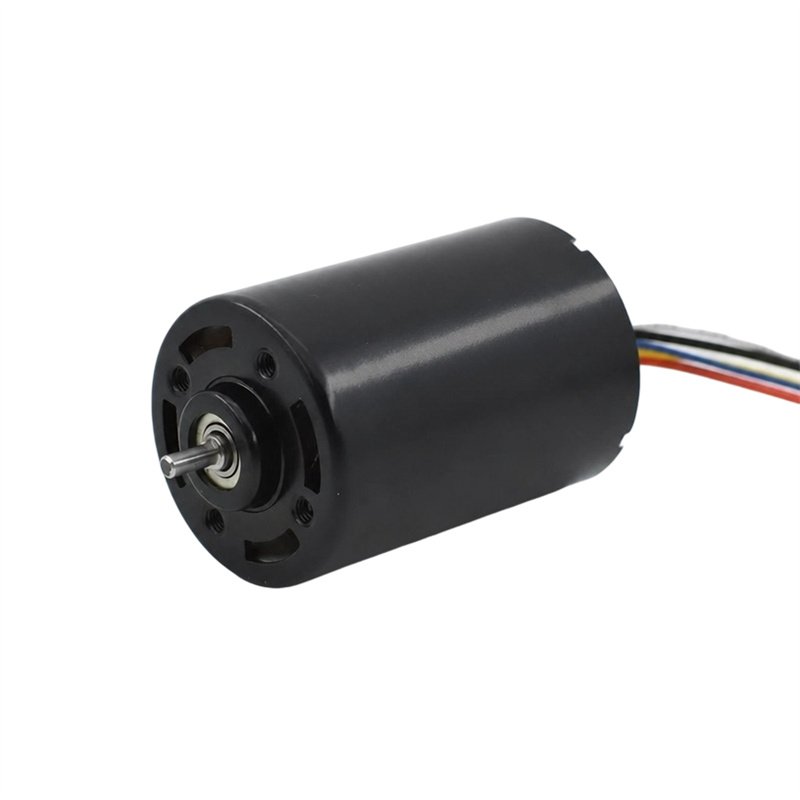
Electronically commutated platforms with speed-control and feedback interfaces.
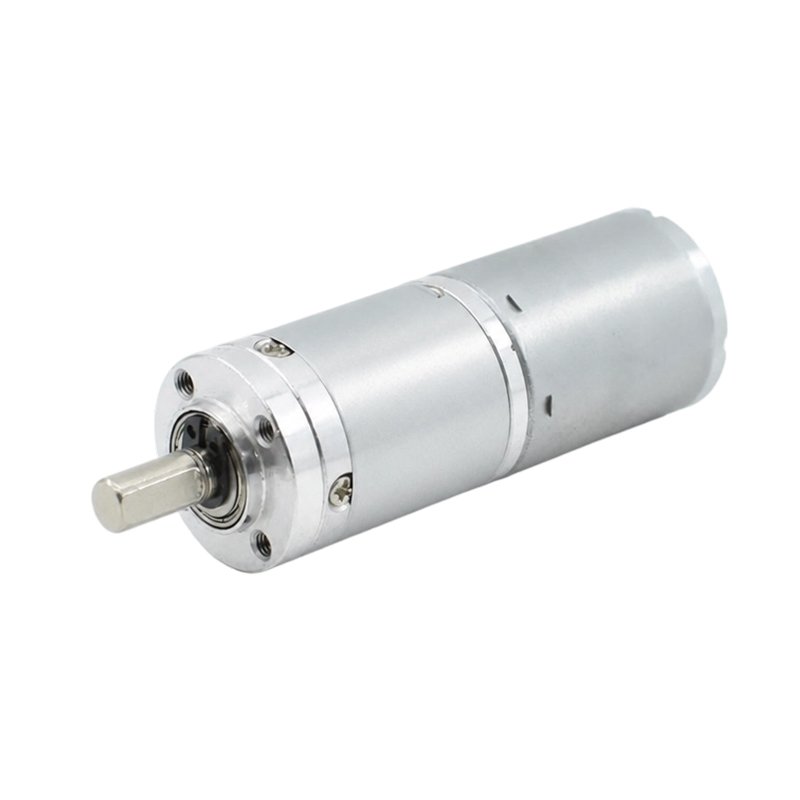
Planetary and worm assemblies for lower output speed and increased torque.
Define the voltage, loaded working point, duty, installation space and quantity.
Select a motor platform, winding and mechanical interface for the application.
Check fit, control, temperature and performance in your equipment.
Agree the model code, drawing revision and acceptance requirements.
Produce against the approved configuration and agreed order requirements.
| What to send | Useful detail | Why it matters |
|---|---|---|
| Equipment and duty | Application, run time, cycle frequency, starts and reversals. | Defines the load and thermal conditions. |
| Electrical requirements | Supply voltage, current availability and control method. | Connects winding and driver selection. |
| Working point | Loaded speed, continuous and peak torque. | Describes what the motor must deliver. |
| Mechanical drawing | Envelope, shaft, mounting, connectors and tolerances. | Defines physical integration. |
| Project demand | Sample needs, estimated order quantity and annual demand. | Supports a practical development and quotation plan. |
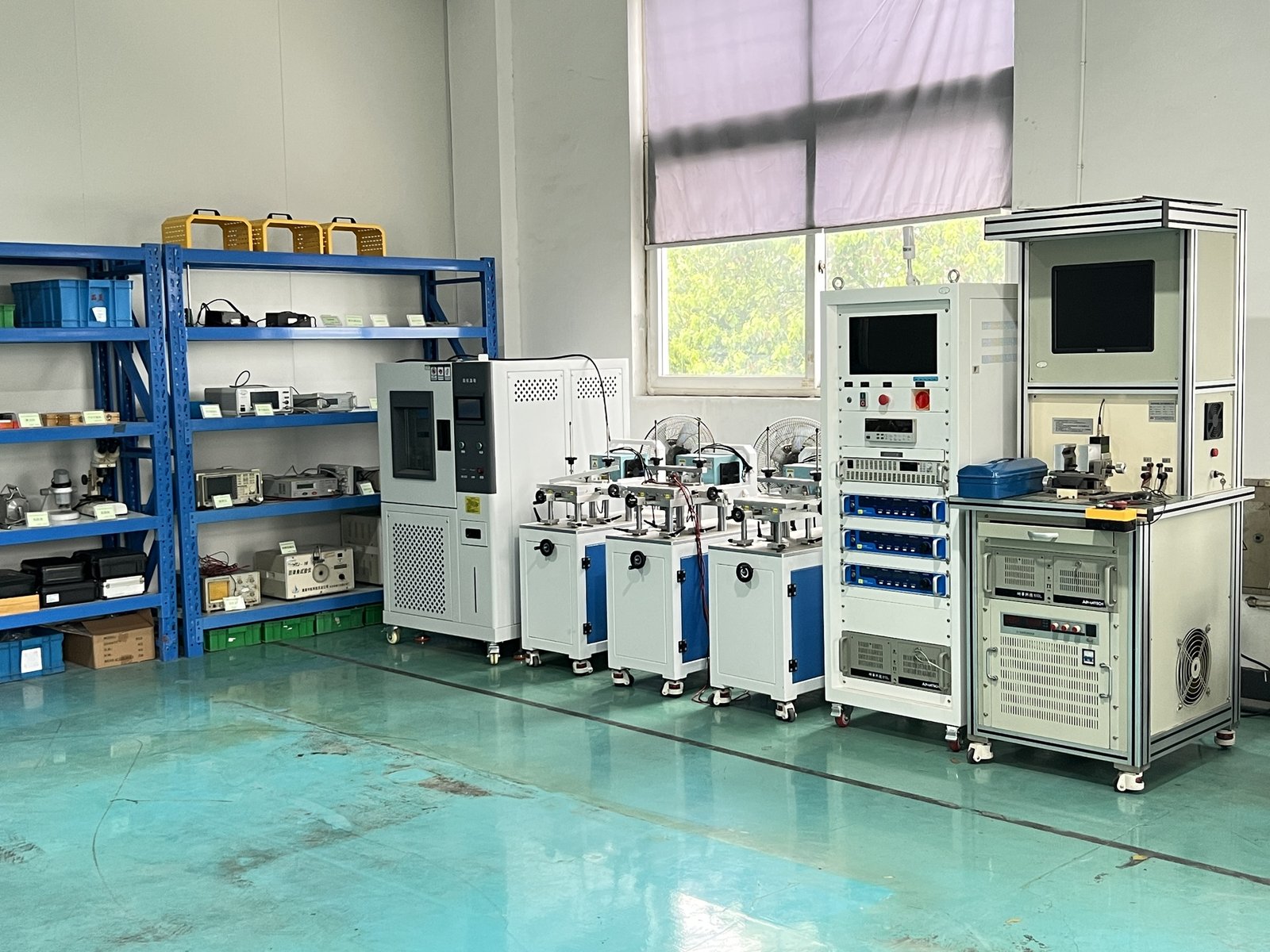
The proposed motor configuration should be checked in the intended mechanism. Review startup, loaded behavior, installation fit, heating, control and feedback as appropriate to the project.
Feedback from the evaluation can be used to refine the configuration before the drawing and sample baseline are approved for an order.
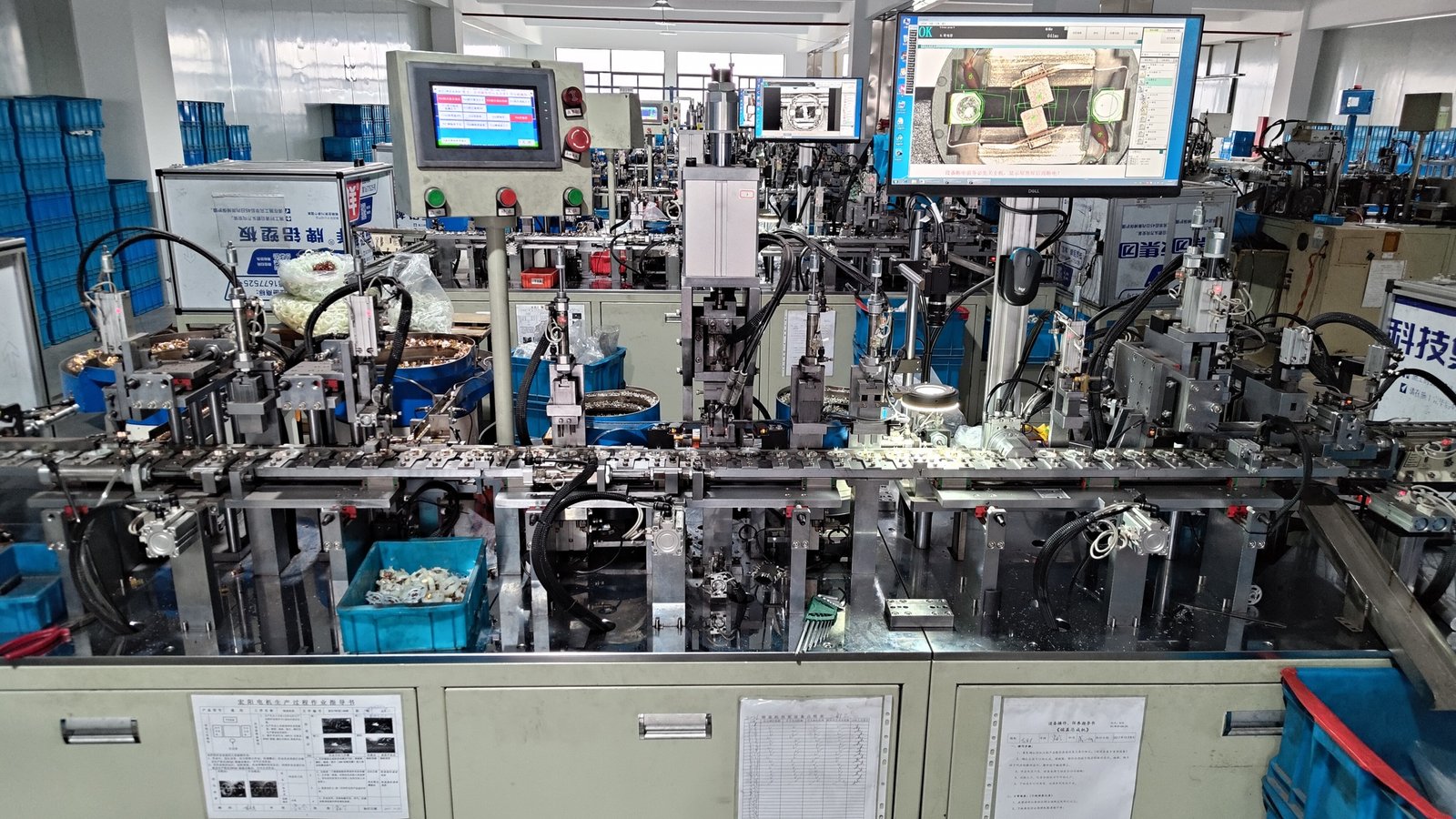
Automated equipment and component handling in Hongyang’s workshop.
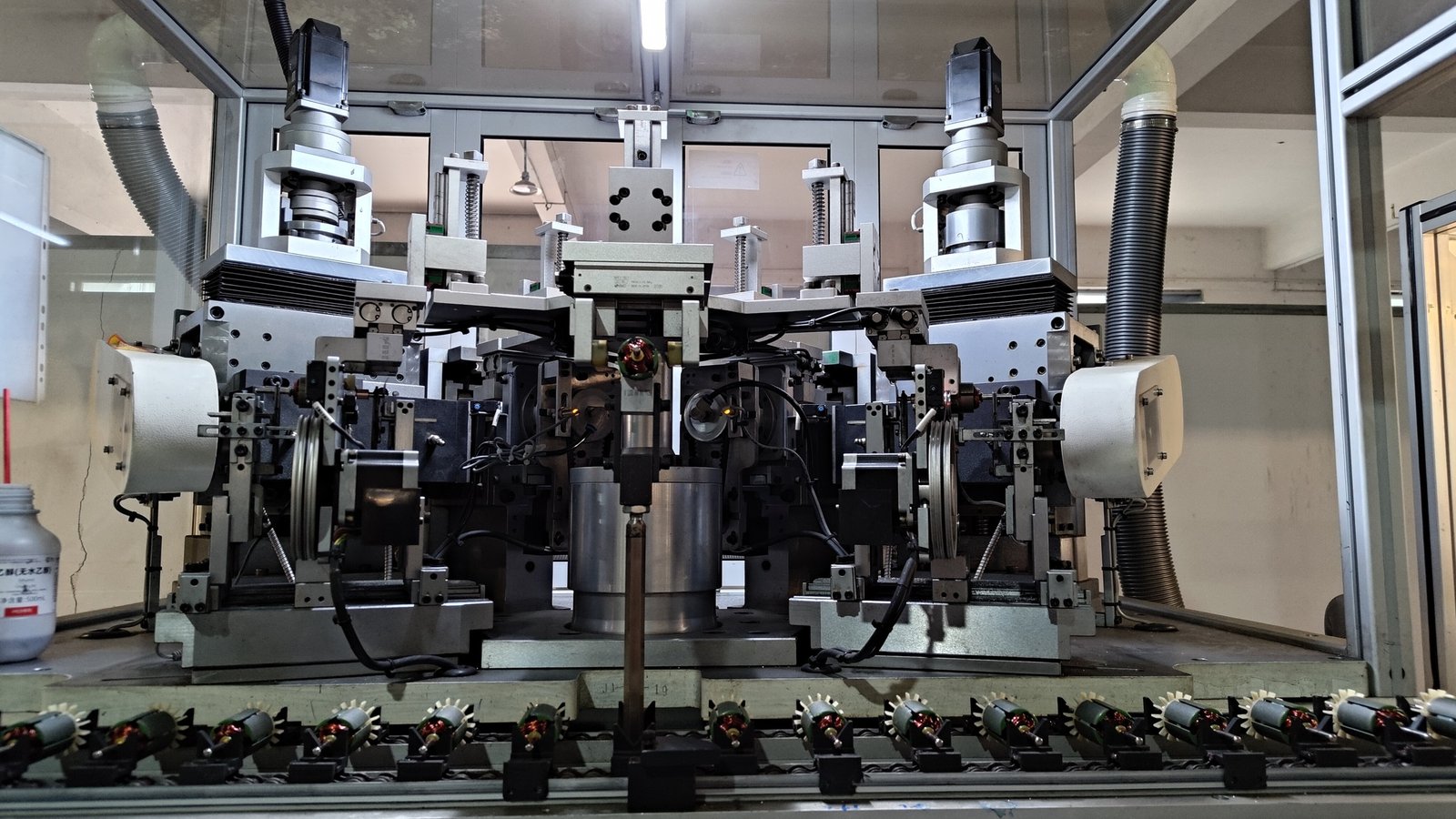
Rotor components and equipment used within the motor production environment.
Workstations and instruments supporting inspection and test activity.
Yes. Send a reference motor, sample description or performance brief with the installation constraints. The initial review can identify which details are still needed.
Availability depends on the structure and configuration. For example, gearbox, feedback and shaft options need to be checked for the selected platform.
They depend on the motor and requested changes. Include your quantity and timing requirements so the team can quote the actual project scope.
Include the target and test conditions in the brief. These requirements need a defined load, duty, installation and measurement method.
A drawing, reference model and required working point are the best starting point for the engineering discussion.
A drawing, reference motor or application brief is a useful starting point.
Open the full inquiry page →Tell us about your equipment and the motor you need.