
Incoming inspection
Review the material and component requirements that apply to the selected motor. This gives assembly a controlled starting point.
Material, assembly and finished-motor checks supported by product-specific drawings and agreed test conditions.
A motor can only be evaluated against the conditions it is expected to meet. The model code, winding, shaft, gearing and feedback options need to be defined before the acceptance requirements are set.
Hongyang’s quality material describes checks at incoming, in-process and finished-product stages, together with performance, load, temperature, life and noise or vibration testing. The relevant scope is agreed for the application.
Review the material and component requirements that apply to the selected motor. This gives assembly a controlled starting point.
Check relevant components, subassemblies and interfaces during the production route, so assembly issues can be addressed at their source.
Check the complete motor against its agreed electrical and mechanical requirements before order release.
| Evaluation area | What it addresses | Conditions to define |
|---|---|---|
| Electrical performance | Supply voltage, loaded and no-load speed, current and torque. | Configuration, supply and measured working point. |
| Load behavior | Starting, continuous and peak loads relevant to the driven mechanism. | Load profile, duration and control method. |
| Temperature | Motor heating in the intended operating cycle and installation. | Ambient, mounting, enclosure and duty. |
| Noise and vibration | Behavior under a defined fixture and operating condition. | Mounting, distance, load and measurement method. |
| Life and endurance | Operation over an agreed cycle or duration. | Duty profile, load, environment and failure criteria. |
| Mechanical fit | Shaft, mounting and key installation dimensions. | Drawing revision, tolerances and inspection points. |
A bench test and an equipment test answer different questions. The equipment evaluation checks how the chosen motor behaves with the actual mounting, controller, mechanism and cycle.
Use the sample review to record fit, starting, loaded performance, current, temperature and any control or feedback behavior that matters to the application.
Identify the winding or gear ratio instead of relying on the family name alone.
Record shaft, mounting, interfaces, tolerances and the approved revision.
State supply, load, duty, measurement method and agreed acceptance criteria.
Tie the evaluated sample to the same drawing, model code and agreed build.
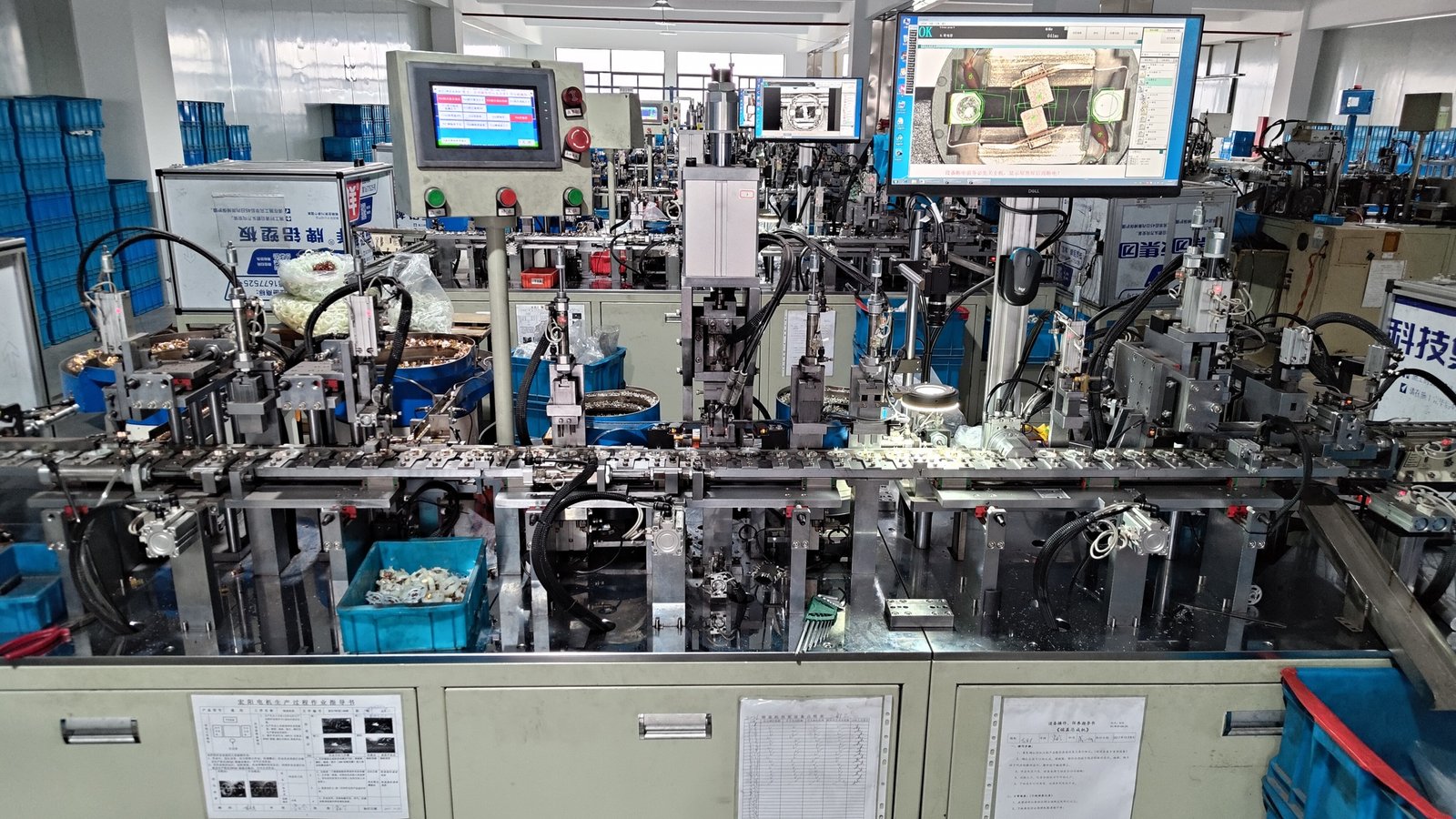
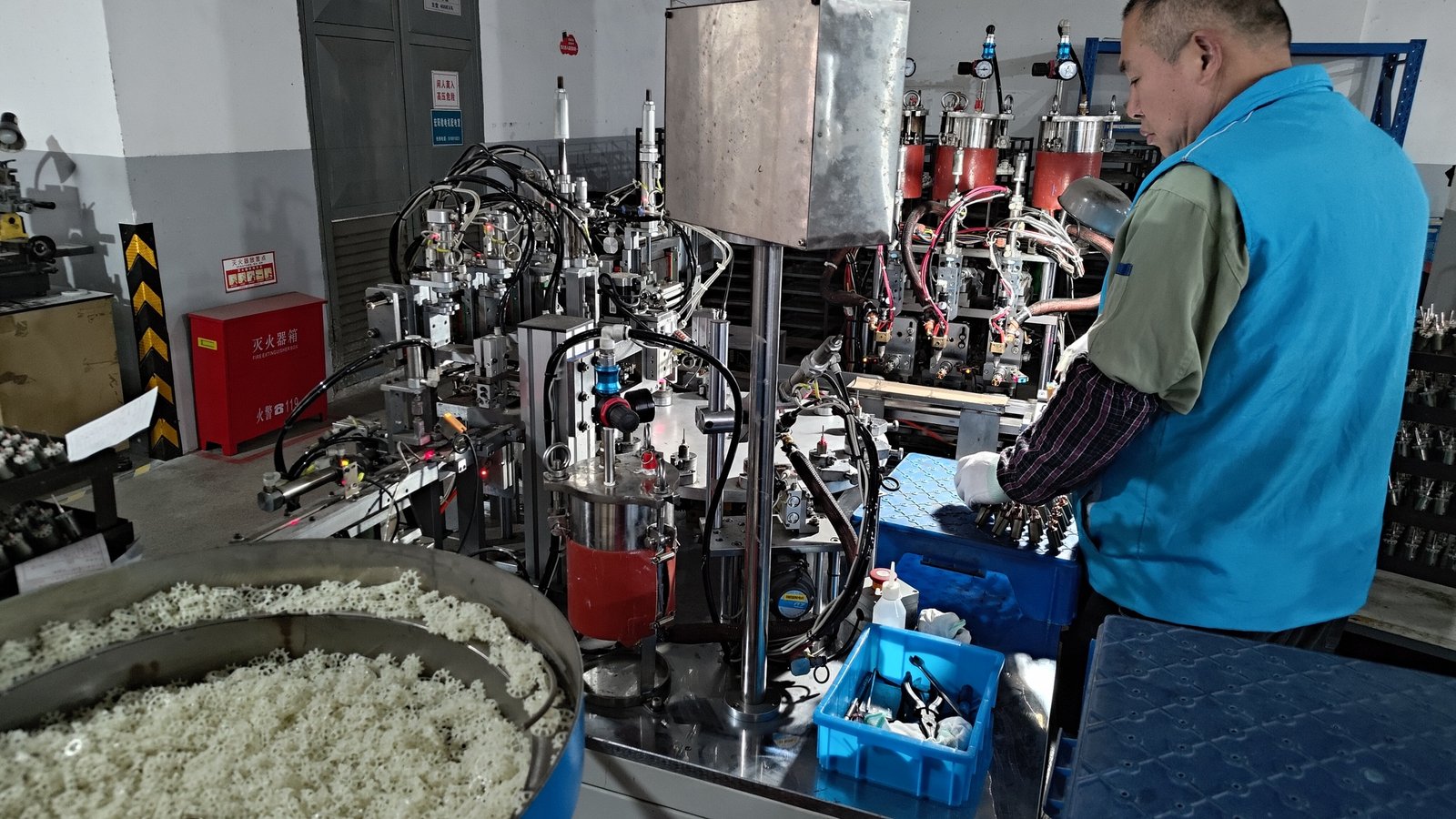
Automated equipment and component handling in Hongyang’s workshop.
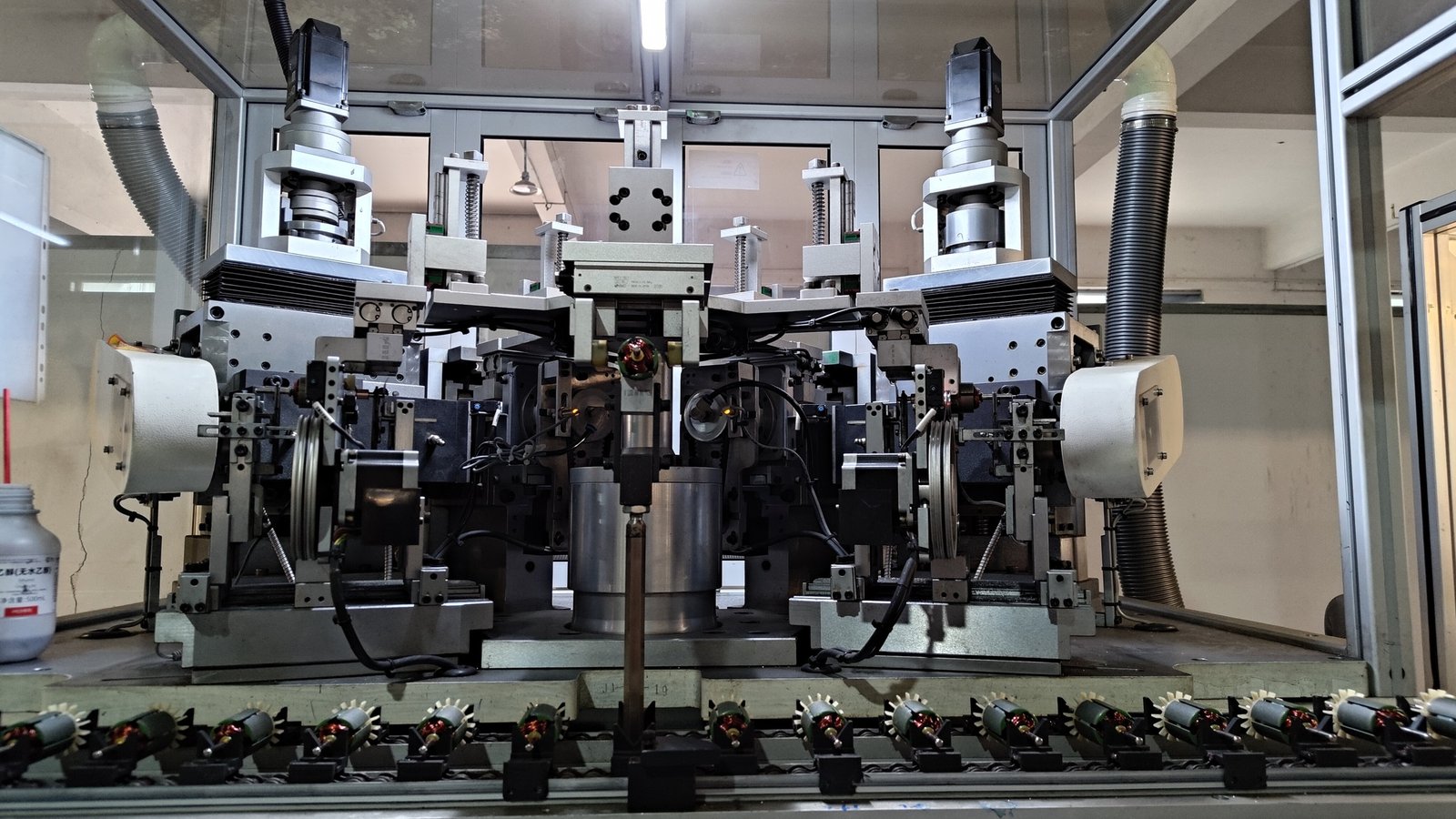
Rotor components and equipment used within the motor production environment.
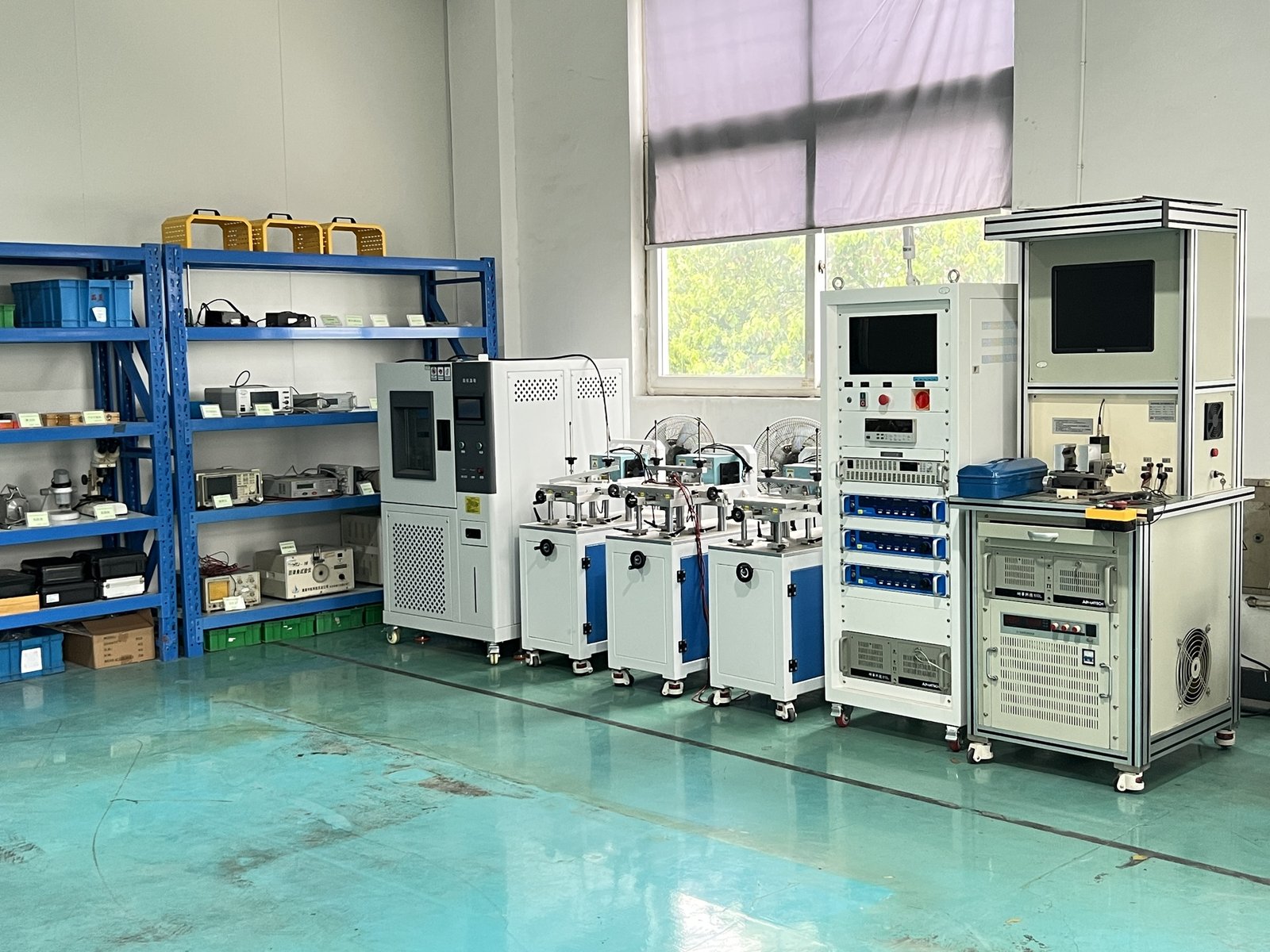
Workstations and instruments supporting inspection and test activity.
The homepage provides the original SGS EMC verification, Bureau Veritas RoHS and REACH/SVHC sample reports, and company recognition document. Each applies to the entity, models or samples, dates and standards stated in that original. Confirm the current applicability and required documentation for the selected motor.
Company recognition applies to the named enterprise; it is separate from product compliance. A report for listed models or tested samples does not establish blanket approval for every motor, geared assembly or pump.
No. The product configuration and intended operating conditions determine the relevant limits and test scope.
Send the required test method and criteria during the technical review. The project team can assess them with the proposed motor configuration.
No. Values belong to specific windings or ratios and test points. Use a complete configuration row and the matching drawing.
State the required market, standard and documentation scope in the inquiry. Applicability must be checked for the selected motor and supplied assembly.
Send the supply voltage, loaded speed and torque, installation drawing and expected quantity.
A drawing, reference motor or application brief is a useful starting point.
Open the full inquiry page →Tell us about your equipment and the motor you need.