
01
Material preparation
Identify the materials and components specified for the product before they enter the assembly process.
Component preparation, assembly and inspection connected to a defined OEM motor configuration.
A motor brings together the housing, rotor, shaft, bearing arrangement and end-cover assembly. Brushless and geared products add their own control, feedback or transmission requirements.
Hongyang’s manufacturing process covers raw-material preparation, housing components, rotor components, end-cover components and final assembly. The approved product configuration determines how those stages come together.
Identify the materials and components specified for the product before they enter the assembly process.
Prepare the housing and the interfaces that locate the motor components.
Bring together the shaft and rotor assembly according to the motor structure.
Prepare the bearing, terminal and brush-related arrangement appropriate to the design.
Combine the subassemblies and check the finished configuration against its requirements.
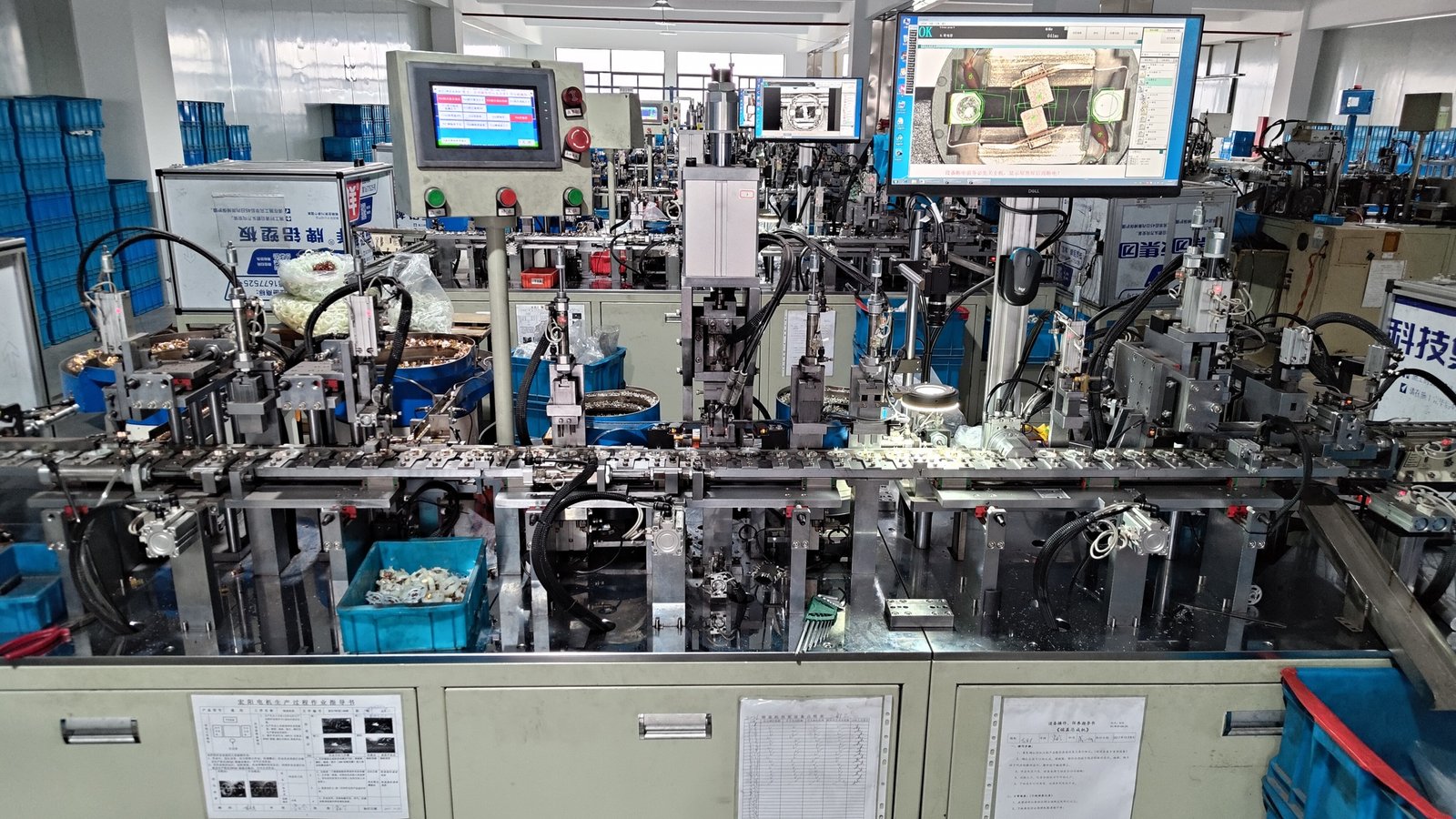
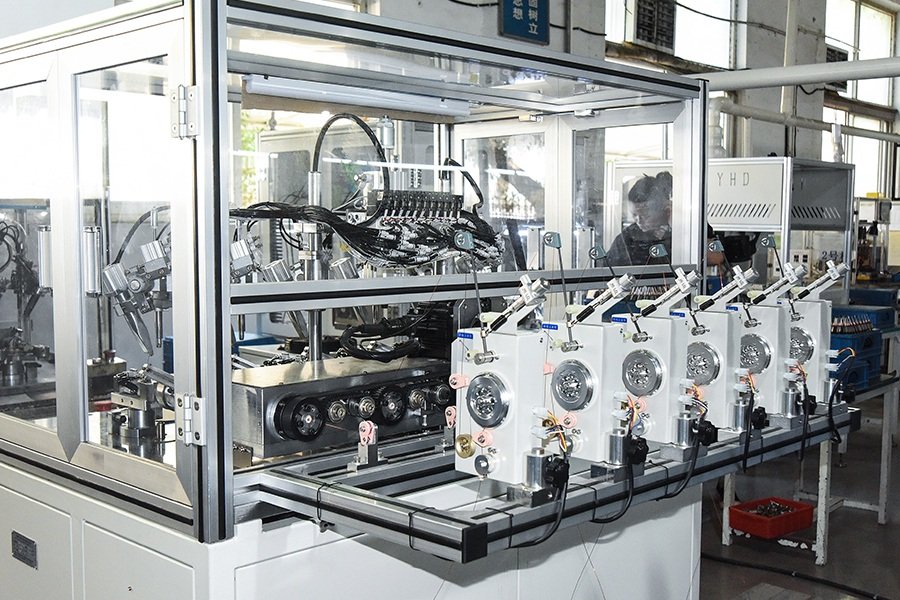
Equipment, component tracks and workstation controls in the production area.

Enclosed equipment and component handling routes within the workshop.
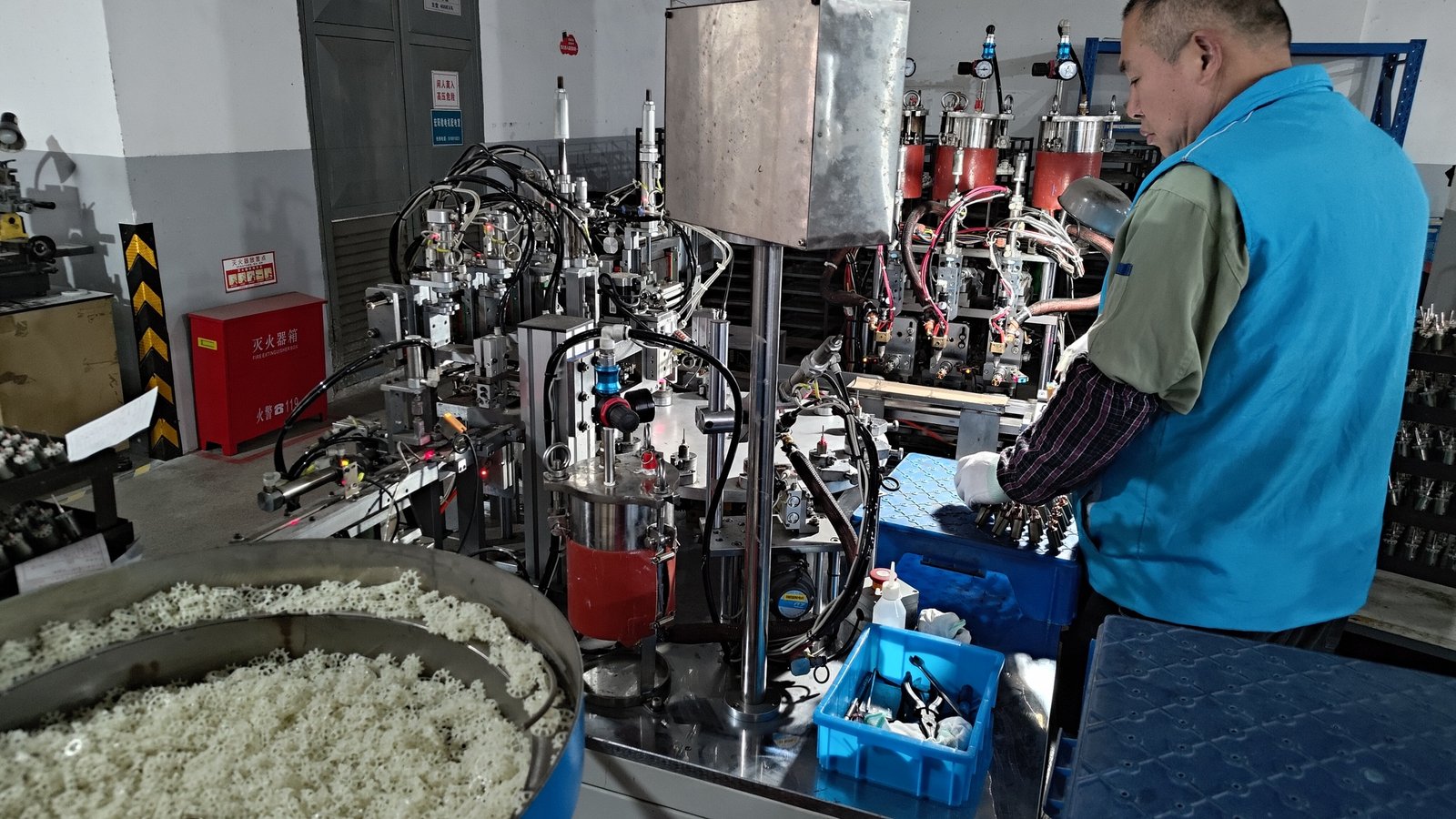
Operators work alongside production equipment and component trays.
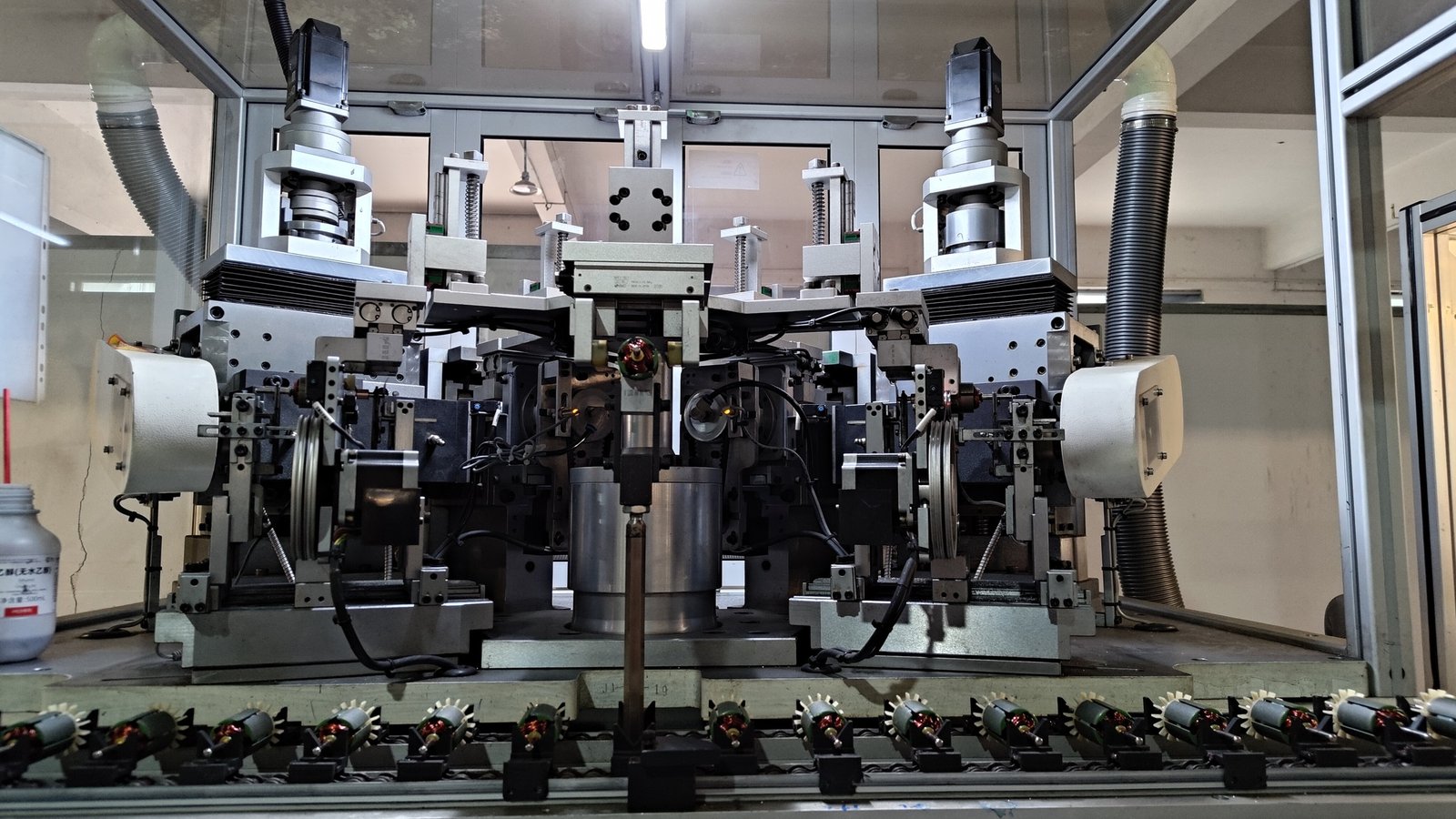
Motor components and equipment form part of the assembly route.
A line of workstations with motor parts located in fixtures.

Shelving and storage areas support material movement through the factory.
A shaft change affects installation; a winding change affects electrical behavior. On a geared assembly, the chosen ratio can also change the package length and output conditions.
The project review keeps these changes tied to a full model code and drawing. Approved samples and agreed inspection requirements then give production and purchasing a common reference.
Review the specified material and component requirements before use.
Check the relevant components and subassemblies while the product is being built.
Evaluate electrical performance, direction and mechanical requirements according to the agreed scope.
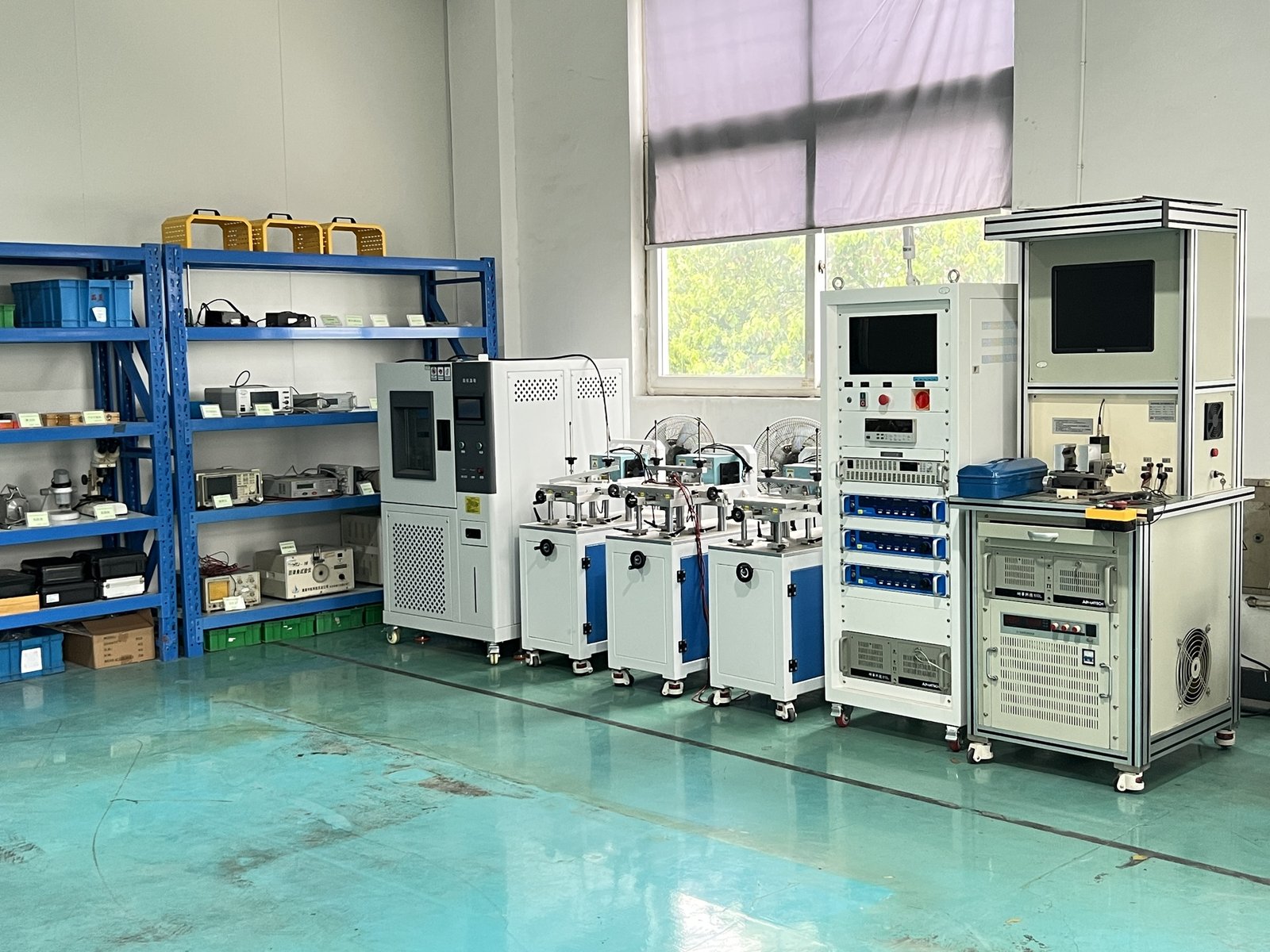
Motor performance depends on the supply, load and operating cycle. Tests for performance, load, temperature, life and noise or vibration need a defined setup to produce useful results.
Agree the evaluation requirements during development, so the sample review and order acceptance refer to the same configuration.
Define the voltage, loaded working point, duty, installation space and quantity.
Select a motor platform, winding and mechanical interface for the application.
Check fit, control, temperature and performance in your equipment.
Agree the model code, drawing revision and acceptance requirements.
Produce against the approved configuration and agreed order requirements.
Send the supply voltage, loaded speed and torque, installation drawing and expected quantity.
A drawing, reference motor or application brief is a useful starting point.
Open the full inquiry page →Tell us about your equipment and the motor you need.